
Unlocking the Secrets of Mosquito Behavior: How Mosquitoes Locate Hosts and What It Means for You
Understanding the intricate world of mosquito behavior is key to tackling one of nature’s most persistent nuisances. These tiny creatures employ a fascinating array of techniques to locate their hosts, using cues such as carbon dioxide, body heat, and scent. By unraveling the secrets of how mosquitoes locate hosts, you gain valuable insights into developing effective mosquito repellents. This knowledge empowers you to protect yourself and your environment more effectively. Dive into this exploration of mosquito hunting strategies and arm yourself with the tools to outsmart these persistent pests. Learn more here.

The Science Behind Mosquito Behavior
Understanding mosquito behavior is essential for controlling their population and reducing the spread of diseases. This section will delve into the intricacies of mosquito behavior, focusing on how these creatures use environmental cues and various factors to hunt effectively.
Understanding Mosquito Behavior
Mosquito behavior is driven by their primary need to reproduce. Females require blood meals to develop their eggs, which leads them to seek out hosts. Mosquitoes’ behavior is influenced by several factors, including environmental conditions and genetic predispositions. Research indicates that mosquitoes are highly adaptable, allowing them to thrive in different climates and conditions.
For instance, mosquitoes have been observed to adjust their activity patterns based on temperature changes. They may become more active at dusk or dawn when conditions are more favorable. Understanding these behaviors helps in developing strategies to mitigate their impact.
Moreover, studies have shown that mosquitoes can learn and remember the scents of their hosts, enhancing their ability to locate them. This adaptability is a key component of their survival strategy.
Key Factors in Mosquito Hunting Strategies
Mosquito hunting strategies are shaped by various biological and environmental factors. Key factors include host availability, environmental conditions, and mosquito species-specific traits. These elements collectively influence how mosquitoes search and locate their hosts.
-
Host Availability: Mosquitoes prefer hosts that are abundant and easily accessible. This means they often target animals or humans that emit strong cues like carbon dioxide.
-
Environmental Conditions: Factors such as humidity, temperature, and wind influence mosquito activity. High humidity levels, for instance, can enhance their ability to detect hosts.
-
Species-Specific Traits: Different mosquito species exhibit unique behaviors. Some species are more aggressive, while others are more selective in their choice of hosts.
These factors underscore the complexity of mosquito hunting strategies and highlight the need for targeted control measures.
The Role of Environmental Cues
Environmental cues play a significant role in guiding mosquitoes to their hosts. Mosquitoes rely on a combination of chemical, thermal, and visual signals to locate their prey. These cues help mosquitoes discriminate between potential hosts and optimize their feeding efficiency.
-
Chemical Cues: Carbon dioxide and lactic acid are primary attractants for mosquitoes. They can detect these chemicals from significant distances, allowing them to hone in on their targets.
-
Thermal Cues: Body heat emanating from warm-blooded hosts is another vital cue. Mosquitoes can sense temperature gradients and use them to find blood-rich areas.
-
Visual Cues: Movement and contrast against the environment help mosquitoes identify potential hosts, especially during the daytime.
Understanding these cues is critical for developing effective interventions and repellents to deter mosquito activity.
How Mosquitoes Locate Hosts
Mosquitoes employ a variety of mechanisms to locate their hosts. This section will explore how carbon dioxide, body heat, and scent play crucial roles in host detection.
Carbon Dioxide and Mosquitoes
Carbon dioxide (CO2) is one of the primary attractants for mosquitoes. When humans and animals exhale, they release CO2 into the air, which is a signal to mosquitoes that a potential host is nearby. Mosquitoes have sophisticated antennae that can detect minute changes in CO2 concentration.
-
Detection Range: Mosquitoes can sense CO2 from distances up to 50 meters, effectively guiding them towards the source.
-
CO2 as a Locator: Once mosquitoes detect CO2, they use other cues like body heat and scent to pinpoint the exact location of the host.
-
Species Sensitivity: Some mosquito species are more sensitive to CO2 than others, influencing their host-seeking behavior.
Studies suggest that disrupting CO2 detection could be a viable strategy for developing mosquito repellents. Learn more about this process.
Body Heat Cues in Host Detection
Body heat is another critical factor in how mosquitoes locate hosts. Mosquitoes are equipped with thermoreceptors that enable them to sense temperature variations. These receptors allow them to detect warm-blooded animals, which are ideal for blood meals.
-
Thermal Imaging: Mosquitoes can detect infrared radiation, which helps them identify the body heat emitted by hosts.
-
Temperature Gradients: Once within proximity, they can discern temperature differences on the host’s skin, directing them to blood-rich areas.
-
Efficiency in Detection: This ability enhances their feeding efficiency, as they can quickly find optimal feeding sites.
The role of body heat in mosquito behavior emphasizes the importance of thermal cues in host detection. For more details, explore this research. Read more here.
Scent Attraction in Mosquitoes
Scent is a powerful attractant for mosquitoes. Mosquitoes use their olfactory systems to detect specific compounds released by hosts. This olfactory capability allows them to differentiate between potential hosts.
-
Lactic Acid and Ammonia: These are common components of human sweat that attract mosquitoes.
-
Skin Microbiota: The bacteria on human skin produce unique scents that some mosquito species find appealing.
-
Genetic Factors: Individual differences in scent can make some people more attractive to mosquitoes than others.
Understanding these scent-based attractions can help in developing personalized repellent solutions. For an in-depth look at how scent influences mosquito behavior, check out this article. Explore the insights here.
The Hunting Strategies of Mosquitoes
Mosquitoes have evolved complex hunting strategies to maximize their success in locating and feeding on hosts. This section examines their behavior patterns, adaptations, and seasonal variations.
Mosquito Behavior Patterns
Mosquitoes exhibit distinct behavior patterns that optimize their host-seeking efforts. These patterns are influenced by environmental conditions, host availability, and circadian rhythms. Understanding these patterns is crucial for effective mosquito control.
-
Diurnal Activity: Some mosquitoes are active during the day, while others prefer the night. This behavior is adapted to avoid predators and adverse environmental conditions.
-
Host-Specific Preferences: Certain mosquito species exhibit preferences for specific hosts, such as humans or animals, driven by their dietary requirements.
-
Feeding Frequency: The frequency of feeding varies among species, impacting their reproductive cycles and population dynamics.
These behavior patterns provide insights into the ecological role of mosquitoes and inform targeted control strategies.
Adaptations for Efficient Hunting
Mosquitoes have developed numerous adaptations to enhance their hunting efficiency. These adaptations include sensory enhancements, behavioral strategies, and physiological traits. Such adaptations enable mosquitoes to thrive in diverse environments.
-
Enhanced Sensory Organs: Mosquitoes possess highly sensitive antennae and compound eyes that improve their ability to detect hosts.
-
Behavioral Flexibility: Some species can alter their feeding habits based on environmental changes, ensuring their survival.
-
Rapid Reproduction: Quick reproductive cycles allow mosquitoes to maintain their populations despite adverse conditions.
These adaptations highlight the resilience and adaptability of mosquitoes, which are key factors in their persistence as pests.
Seasonal Variations in Strategies
Mosquito behavior and hunting strategies can vary with the seasons. Seasonal changes in temperature, humidity, and host availability influence mosquito activity. Adapting to these changes is crucial for their survival.
-
Temperature Fluctuations: Mosquitoes may become more active in warmer months, increasing the risk of bites and disease transmission.
-
Humidity Levels: Higher humidity can enhance mosquito survival and host detection capabilities.
-
Host Migration: Seasonal movements of hosts can impact mosquito populations and feeding opportunities.
Understanding these seasonal variations is essential for implementing effective mosquito management practices. For more insights into mosquito feeding behavior, explore this discussion. Read more here.
Effective Mosquito Repellents
Developing effective mosquito repellents is crucial in reducing mosquito bites and preventing disease transmission. This section explores innovations in repellent technology, the debate between natural and synthetic repellents, and tips for choosing the right repellent.
Innovations in Repellent Technology
Recent advancements in repellent technology have enhanced our ability to deter mosquitoes. Innovations focus on improving efficacy, longevity, and safety. These developments are driven by ongoing research and consumer demand for effective solutions.
-
Long-Lasting Formulations: New formulations offer extended protection, reducing the need for frequent reapplication.
-
Non-Toxic Ingredients: There is a growing emphasis on using natural and non-toxic ingredients for safer use.
-
Wearable Devices: Innovative products like wearable devices that emit repellents are gaining popularity.
These technological advancements are paving the way for more effective mosquito control measures.
Natural Versus Synthetic Repellents
The debate between natural and synthetic repellents centers on effectiveness and safety. Both types have their advantages and limitations. Choosing between them depends on personal preferences and specific needs.
|
Feature |
Natural Repellents |
Synthetic Repellents |
|---|---|---|
|
Ingredients |
Plant-based oils |
Chemical compounds |
|
Effectiveness |
Generally less potent |
Highly effective |
|
Safety |
Considered safer |
May cause irritation |
|
Longevity |
Shorter duration |
Longer-lasting |
Each type offers unique benefits, and understanding these differences can help in selecting the most suitable option.
Choosing the Right Repellent for You
Selecting the right mosquito repellent involves considering various factors. Effective repellents should offer protection, be safe for use, and suit individual needs. Here are some tips to guide your choice:
-
Check for active ingredients like DEET or picaridin for proven efficacy.
-
Consider the duration of protection needed based on activity and exposure.
-
Evaluate any skin sensitivities or allergies to specific ingredients.
-
Determine personal preferences for scent and application method.
By considering these factors, you can choose a repellent that best meets your requirements.
Implications for Pest Control
Understanding mosquito behavior and hunting strategies has significant implications for pest control efforts. This section explores insights for enthusiasts, the application of behavior insights, and future directions in mosquito management.
Insights for Pest Control Enthusiasts
For pest control enthusiasts, knowledge of mosquito behavior is invaluable. Understanding how mosquitoes locate hosts and adapt to environments can enhance control strategies. Here are some insights to consider:
-
Timing control measures to coincide with peak mosquito activity can improve effectiveness.
-
Targeting specific mosquito species based on their behavior patterns can optimize results.
-
Employing integrated pest management (IPM) practices can provide sustainable control.
These insights can inform more effective and targeted pest control approaches.
Utilizing Mosquito Behavior Insights
Leveraging mosquito behavior insights can enhance pest management efforts. These insights can inform the development of targeted interventions and products. Effective utilization involves several steps:
-
Behavioral Monitoring: Regular observation of mosquito activity to inform control measures.
-
Customized Strategies: Designing interventions based on specific mosquito species and environmental conditions.
-
Collaboration with Researchers: Partnering with scientists to stay updated on the latest findings and innovations.
By applying these strategies, pest control professionals can achieve more effective outcomes.
Future Directions in Mosquito Management
The field of mosquito management is evolving with new technologies and strategies. Future directions involve integrating advanced technologies and sustainable practices. Here are some potential developments:
-
Genetic Modification: Using gene-editing techniques to reduce mosquito populations or disease transmission.
-
Remote Sensing: Employing drones and sensors for real-time monitoring of mosquito activity.
-
Eco-Friendly Solutions: Developing environmentally sustainable repellents and control methods.
These future directions hold promise for more effective and sustainable mosquito management solutions.
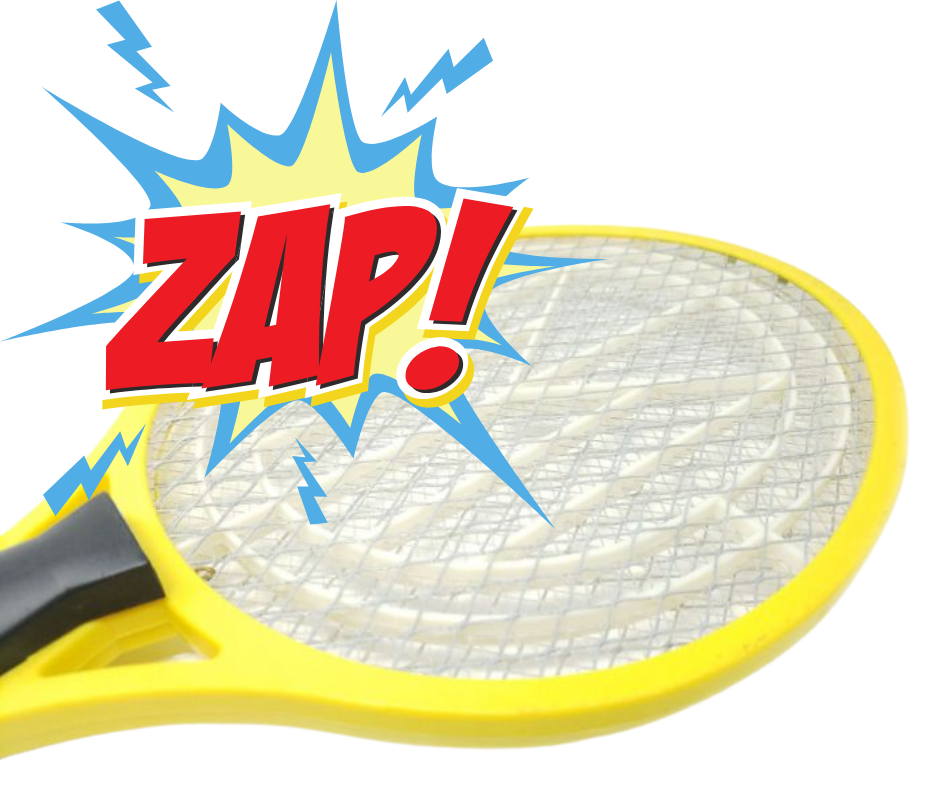
Order the super powerful 3,000 volt bug zapper today!

3000 Volt Bug Zapper: Is Higher Voltage Better?
3000 Volt Bug Zapper: Is Higher Voltage Better? Most bug zappers on the market run below 3000 volts, but some claim that a 3000 volt bug zapper kills insects faster and more effectively. If you’ve been frustrated by pests ruining your outdoor time, you might wonder if higher voltage really makes a difference. This post breaks down how voltage impacts bug zapper effectiveness, compares popular models, and weighs safety concerns so you can decide if a 3000-volt zapper fits your pest control needs. For more information on high voltage zappers, check out this resource. Get FREE shipping on your bug […]
What Is a Bug Zapper Racket?
What Is a Bug Zapper Racket? Bug zapper rackets are changing how people handle annoying insects. You’re tired of swatting at bugs or spraying chemicals that leave a mess. These handheld bug zappers use electric grids to zap insects on contact, making pest control quick and mess-free. Keep reading to learn how these portable bug zappers offer a cleaner, safer way to protect your space indoors and out. Check out more here. Get FREE shipping on your bug zapper today! Understanding Bug Zapper Rackets Bug zapper rackets are gaining attention as a practical tool for pest control. They offer a […]

Can an Electric Fly Swatter Kill Large Flies?
Can an Electric Fly Swatter Kill Large Flies? Large flies can be tougher to deal with than their smaller cousins, and not every electric fly swatter packs the punch needed to handle them. If you’ve ever wondered whether these gadgets really work against bigger pests, you’re not alone. This post breaks down the electric fly swatter effectiveness against larger flies, explains the power needed, and shares fly swatter tips to help you get the best results. By the end, you’ll know if an electric fly swatter for large flies fits your pest control solutions. For more information, you can visit […]
What Is the Best Way to Get Rid of a Mosquito in Your Bedroom?
What Is the Best Way to Get Rid of a Mosquito in Your Bedroom? Mosquitoes buzzing around your bedroom can turn a good night’s sleep into a frustrating battle. You’ve tried swatting and sprays, but those tiny pests keep coming back. This guide on the best way to get rid of a mosquito in your bedroom lays out proven mosquito control methods, from smart traps to simple prevention tips, so you can finally rest without the constant itch. Learn more about effective mosquito solutions here. Get FREE shipping on your bug zapper today! Effective Mosquito Traps Finding the right trap […]

Best Electric Fly Swatter for Mosquitoes
Best Electric Fly Swatter for Mosquitoes Mosquitoes can turn any outdoor evening into a battle zone. You need a tool that cuts through the buzz and delivers quick results without hassle. This guide on the best electric fly swatter for mosquitoes breaks down top models, highlighting what really matters like battery life, safety, and ease of use to help you find the right fit for your space. Get FREE shipping on your bug zapper today! Top Electric Fly Swatters Finding the right electric fly swatter can feel like a challenge with so many options. Let’s look at the top models […]

How to Get Rid of Mosquitoes Indoors
How to Get Rid of Mosquitoes Indoors Mosquitoes inside your home can turn any relaxing evening into an irritating battle. You’ve tried sprays or nets, but those buzzing invaders keep coming back. This guide on how to get rid of mosquitoes indoors will give you practical steps to eliminate mosquitoes using natural repellents, insecticides, and smart prevention tactics that stop them before they enter. Keep reading to take control of your space and protect yourself from bites once and for all. For an effective tool in your mosquito control arsenal, check out this electric fly swatter. Get FREE shipping on […]
Do Electric Fly Swatters Kill Mosquitoes?
Do Electric Fly Swatters Kill Mosquitoes? Electric fly swatters promise a quick fix for those relentless mosquito bites, but do they actually deliver? If you’ve been wondering whether these gadgets can stand up to traditional mosquito traps and repellents, you’re not alone. This post breaks down how electric fly swatters work, what users say, and if they are a smart choice for your mosquito control needs. Keep reading to find out if this tool can really help you beat those pesky insects. Learn more about how an electric fly swatter works. Get FREE shipping on your bug zapper today! Understanding […]
Bug Zapper Racket vs Electric Fly Swatter: What’s the Difference?
Bug Zapper Racket vs Electric Fly Swatter: What’s the Difference? You’ve probably stood there swatting at bugs with little success, wondering if there’s a better way. Bug zapper rackets and electric fly swatters both promise quick fixes, but they work very differently. In this bug zapper comparison, you’ll learn how each tool handles pests, which insects they target best, and which one fits your home pest solutions perfectly. Get FREE shipping on your bug zapper today! Understanding Bug Zapper Rackets Bug zapper rackets are a modern take on pest control tools, offering an engaging way to deal with insects. They […]

Electric Fly Swatter Battery Life: How Long Do They Last?
Electric Fly Swatter Battery Life: How Long Do They Last? Most electric fly swatters lose power faster than you expect, leaving you swatting empty-handed just when you need them. The type of battery inside makes a huge difference in how long your device keeps working. This post breaks down what influences electric fly swatter battery life and shares simple tips for extending it so your pest control device stays ready when bugs appear. For more information, check this link. Understanding Electric Fly Swatters Before diving into battery life specifics, it’s important to understand electric fly swatters and their key components. […]
How to Get Rid of Flies on a Porch or Patio
How to Get Rid of Flies on a Porch or Patio Flies swarming around your porch can turn relaxing evenings into constant battles. You’ve tried a few tricks, but those pests keep coming back like they own the place. Learning how to get rid of flies on your porch means taking control with simple steps like using fly traps and natural fly repellents that actually work. Keep reading to find a clear plan that will help you enjoy your outdoor space without those annoying intruders. For more insights on effective fly control, check out this resource. Get FREE shipping on […]
Best Electric Fly Swatter for Flies: What Should You Look For?
Best Electric Fly Swatter for Flies: What Should You Look For? Flies buzzing around your home or yard can feel impossible to control. Picking the right tool makes all the difference, but not every electric fly swatter handles the job well. This guide breaks down the key fly swatter features you need to spot the best electric fly swatter for your needs, with clear advice and top picks based on real user feedback. Keep reading to find the fly repellent tool that actually works for you. For more information, visit this guide. Get FREE shipping on your bug zapper today! […]
How to Get Rid of Flies in Your House Fast
How to Get Rid of Flies in Your House Fast Flies buzzing around your home can turn peaceful moments into nonstop irritation. When you need fast fly removal, waiting for them to go away on their own isn’t an option. This post breaks down how to get rid of flies in your house using natural remedies, commercial fly solutions, and proven pest control tips. You’ll also learn what attracts flies in the first place, so you can stop them from coming back. For a powerful tool in your fly-fighting arsenal, check out the best electric fly swatter. Get FREE shipping […]
Leave A Comment
You must be logged in to post a comment.