

From Larvae to Adults: Understanding the Impact of Environmental Factors on Mosquito Reproduction
When it comes to the intricate world of mosquito reproduction, understanding the journey from larvae to adults unveils a myriad of fascinating details. Female mosquitoes, with their ability to lay hundreds of eggs in a single lifetime, play a crucial role in this cycle. But what factors influence this prolific egg production? From the nuances of species variations to the significant impact of environmental conditions, there are many elements at play. In this blog post, we’ll explore the mosquito life cycle, shedding light on the environmental factors in mosquitoes that can alter reproductive habits. Whether you’re an entomologist, an environmentalist, or simply curious, join us as we dive into the complex dynamics that shape the reproduction of these persistent insects.

Introduction to Mosquito Reproduction
Mosquito reproduction is a complex process influenced by various biological and environmental factors. This section introduces the fundamental aspects of their life cycle, highlighting the critical role of female mosquito eggs in sustaining populations and the importance of egg production in ecological balance.
Understanding Mosquito Life Cycle
The mosquito life cycle is a fascinating journey from egg to adult. It includes four stages: egg, larva, pupa, and adult. Each stage has unique characteristics and environmental needs.
The egg stage starts when female mosquitoes lay eggs on water surfaces. These eggs hatch into larvae, which live in water and feed on organic matter.
Next, larvae develop into pupae, a stage where they do not feed but undergo significant transformation. Finally, adult mosquitoes emerge, ready to continue the cycle.
Understanding this life cycle is essential for effective mosquito control strategies. By targeting specific stages, interventions can be more efficient and sustainable.
The Role of Female Mosquito Eggs
Female mosquitoes are prolific egg layers, with some species capable of laying hundreds of eggs in a single batch. This high reproductive rate is crucial for maintaining mosquito populations.
Eggs are laid in suitable habitats, often near water sources. The quantity and viability of eggs depend on environmental conditions and species-specific traits.
Egg laying is influenced by factors like temperature, humidity, and nutrient availability. Understanding these aspects can help in predicting mosquito population dynamics and implementing control measures.
Eggs hatch into larvae under favorable conditions, contributing to the next generation of mosquitoes. This cycle underscores the importance of managing mosquito habitats to control populations effectively.
Importance of Egg Production
Egg production is vital for the survival and proliferation of mosquito species. It ensures the continuation of the life cycle and influences population sizes.
High egg production rates can lead to rapid population growth, especially in ideal conditions. This can have significant ecological and health implications.
Controlling egg production through environmental management or biological interventions can be effective in reducing mosquito numbers.
Understanding the factors affecting egg production can inform strategies aimed at minimizing the impact of mosquitoes on ecosystems and human health.
Environmental Factors in Mosquito Development
Environmental factors play a significant role in the development and reproduction of mosquitoes. This section explores how temperature, humidity, water quality, and predation impact mosquito life stages, influencing their reproductive success and population dynamics.
Impact of Temperature and Humidity
Temperature and humidity are critical factors affecting mosquito development and reproduction. These elements influence the speed of the life cycle and the survival rates of different stages.
Higher temperatures can accelerate larval development, leading to quicker transitions to adulthood. However, extreme temperatures may reduce survival rates.
Humidity impacts mosquito longevity and activity. High humidity levels are generally favorable for mosquitoes, enhancing their ability to reproduce and transmit diseases.
Understanding these interactions helps in predicting mosquito behavior and implementing effective control measures in various climates.
Influence of Water Quality and Availability
Water quality and availability are crucial for mosquito reproduction, as eggs and larvae depend on aquatic environments. Poor water quality can affect larval health and development.
Mosquitoes often breed in stagnant water, but the nutrient content and cleanliness of the water can impact egg viability and larval growth.
Ensuring good water management practices can help in reducing mosquito breeding sites. This includes regular cleaning of water bodies and eliminating standing water in urban areas.
By managing water resources wisely, communities can effectively reduce mosquito populations and their associated risks.
Role of Predation and Competition
Predation and competition significantly influence mosquito populations. Predators, such as fish and other aquatic insects, help control larval numbers.
Competition for resources among mosquito larvae can also impact their growth and survival. Limited resources can lead to slower development and reduced adult emergence.
Introducing natural predators into mosquito habitats can be an effective biological control strategy. This can help maintain ecological balance and reduce reliance on chemical interventions.
Understanding these dynamics is essential for developing sustainable mosquito management practices.
Species Variations in Mosquitoes
Mosquito species exhibit diverse reproductive strategies and adaptations. This section examines the differences in egg production rates, unique reproductive behaviors, and adaptive traits that allow mosquitoes to thrive in various habitats.
Differences in Egg Production Rates
Different mosquito species have varying egg production rates, influenced by genetics and environmental factors.
Some species, like Aedes aegypti, are known for high egg production, which contributes to their rapid spread in suitable environments. Others, such as Anopheles, may have lower rates but still pose significant health risks due to disease transmission.
Understanding these variations can inform targeted control strategies, focusing on species with higher reproductive potential.
Effective monitoring and management require knowledge of these differences to predict population trends and implement timely interventions.
Unique Reproductive Strategies
Mosquitoes exhibit unique reproductive strategies that enhance their survival. Some species lay eggs in multiple locations to increase chances of survival.
Others, like Culex mosquitoes, produce egg rafts that float on water, providing protection against predators and environmental fluctuations.
These strategies reflect adaptations to specific ecological niches and contribute to the resilience of mosquito populations.
Studying these behaviors can reveal insights into mosquito ecology and inform innovative control measures.
Adaptive Traits Across Habitats
Adaptive traits enable mosquitoes to thrive in diverse habitats, from urban areas to rural landscapes.
Some species have developed resistance to insecticides, complicating control efforts. Others have adapted to breed in artificial containers, increasing their prevalence in human environments.
These adaptations highlight the need for flexible and integrated management approaches.
Understanding habitat-specific traits can guide the development of tailored strategies to manage mosquito populations effectively.
Consequences of Environmental Changes
Environmental changes have profound effects on mosquito populations and their role in disease transmission. This section explores the impact of climate change and habitat alterations on mosquito dynamics and discusses strategies to mitigate these effects.
Effects on Mosquito Population Dynamics
Environmental changes, such as climate change, affect mosquito population dynamics. Rising temperatures can expand mosquito habitats, leading to increased reproductive rates.
Altered precipitation patterns may create new breeding sites or reduce existing ones, impacting population sizes.
Understanding these effects is crucial for predicting future mosquito trends and implementing adaptive management strategies.
Addressing climate impacts requires a holistic approach, considering ecological, social, and economic factors.
Implications for Disease Transmission
Changes in mosquito populations directly influence disease transmission dynamics. Increased mosquito numbers can lead to higher transmission rates of diseases like malaria and dengue.
Warmer climates may extend the transmission season, posing new challenges for public health.
Effective disease management requires understanding the links between environmental changes and mosquito-borne diseases.
This knowledge can inform public health policies and interventions to reduce disease burden.
Strategies for Mosquito Control
To mitigate the impact of environmental changes, innovative mosquito control strategies are essential.
-
Integrated management, combining biological, chemical, and environmental approaches, can reduce mosquito populations sustainably.
-
Community engagement is crucial for effective implementation and monitoring of control measures.
-
Research and innovation are needed to develop new tools and technologies for mosquito management.
By adopting comprehensive strategies, communities can effectively manage mosquito populations and reduce associated health risks.
Conclusion and Future Research Directions
In conclusion, understanding mosquito reproduction and the factors influencing it is critical for effective management. This section summarizes key findings, highlights opportunities for further study, and discusses potential impacts on public health.
Summary of Key Findings
Throughout this exploration, we have highlighted the vital role of mosquito reproduction in population dynamics.
Environmental factors, such as temperature, humidity, and water quality, significantly influence reproductive success.
Species variations reveal diverse reproductive strategies, underscoring the complexity of mosquito ecology.
These insights are crucial for developing effective control and management strategies to mitigate mosquito-borne diseases.
Opportunities for Further Study
Opportunities for further research are abundant in the field of mosquito ecology.
-
Investigating the impact of climate change on mosquito behavior and distribution can provide valuable insights.
-
Exploring innovative control methods, such as genetic modifications, can lead to breakthroughs in population management.
-
Understanding species-specific adaptability can inform targeted interventions and policy development.
Continued research is essential for advancing our understanding and enhancing mosquito control efforts.
Potential Impacts on Public Health
Mosquito-borne diseases pose significant public health challenges, particularly in tropical regions.
Understanding mosquito reproduction and ecology can inform effective strategies to reduce disease transmission.
Public health initiatives must integrate scientific insights with community engagement to achieve sustainable outcomes.
By prioritizing research and innovation, we can improve public health responses and reduce the global burden of mosquito-borne illnesses.
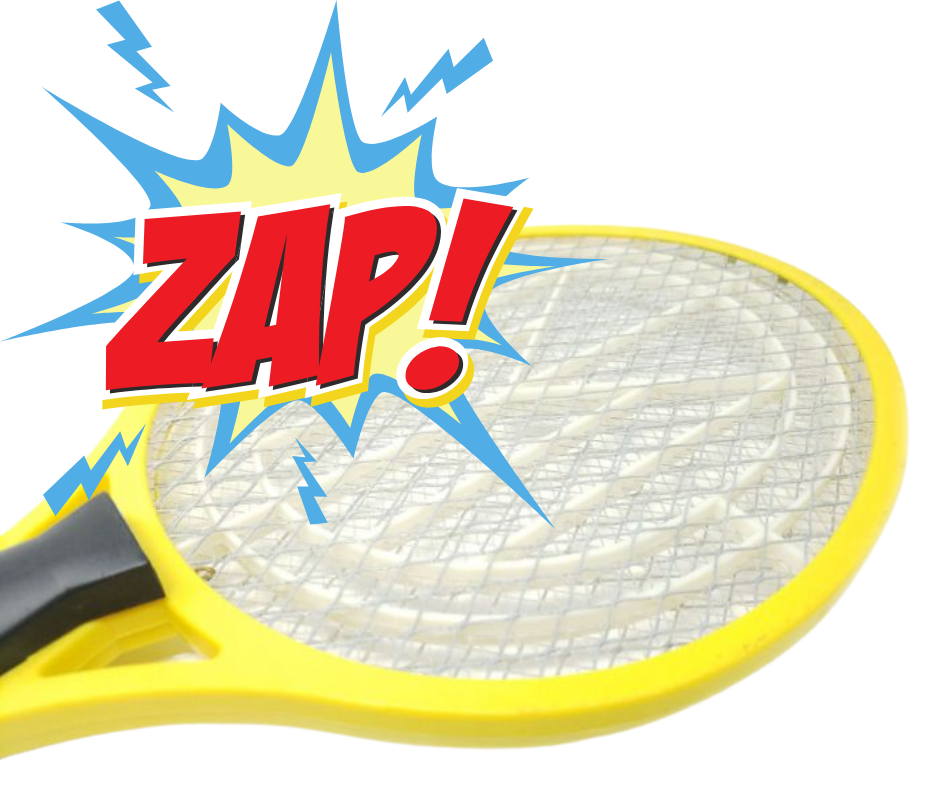
Order the super powerful 3,000 volt bug zapper today!

3000 Volt Bug Zapper: Is Higher Voltage Better?
3000 Volt Bug Zapper: Is Higher Voltage Better? Most bug zappers on the market run below 3000 volts, but some claim that a 3000 volt bug zapper kills insects faster and more effectively. If you’ve been frustrated by pests ruining your outdoor time, you might wonder if higher voltage really makes a difference. This post breaks down how voltage impacts bug zapper effectiveness, compares popular models, and weighs safety concerns so you can decide if a 3000-volt zapper fits your pest control needs. For more information on high voltage zappers, check out this resource. Get FREE shipping on your bug […]
What Is a Bug Zapper Racket?
What Is a Bug Zapper Racket? Bug zapper rackets are changing how people handle annoying insects. You’re tired of swatting at bugs or spraying chemicals that leave a mess. These handheld bug zappers use electric grids to zap insects on contact, making pest control quick and mess-free. Keep reading to learn how these portable bug zappers offer a cleaner, safer way to protect your space indoors and out. Check out more here. Get FREE shipping on your bug zapper today! Understanding Bug Zapper Rackets Bug zapper rackets are gaining attention as a practical tool for pest control. They offer a […]

Can an Electric Fly Swatter Kill Large Flies?
Can an Electric Fly Swatter Kill Large Flies? Large flies can be tougher to deal with than their smaller cousins, and not every electric fly swatter packs the punch needed to handle them. If you’ve ever wondered whether these gadgets really work against bigger pests, you’re not alone. This post breaks down the electric fly swatter effectiveness against larger flies, explains the power needed, and shares fly swatter tips to help you get the best results. By the end, you’ll know if an electric fly swatter for large flies fits your pest control solutions. For more information, you can visit […]
What Is the Best Way to Get Rid of a Mosquito in Your Bedroom?
What Is the Best Way to Get Rid of a Mosquito in Your Bedroom? Mosquitoes buzzing around your bedroom can turn a good night’s sleep into a frustrating battle. You’ve tried swatting and sprays, but those tiny pests keep coming back. This guide on the best way to get rid of a mosquito in your bedroom lays out proven mosquito control methods, from smart traps to simple prevention tips, so you can finally rest without the constant itch. Learn more about effective mosquito solutions here. Get FREE shipping on your bug zapper today! Effective Mosquito Traps Finding the right trap […]

Best Electric Fly Swatter for Mosquitoes
Best Electric Fly Swatter for Mosquitoes Mosquitoes can turn any outdoor evening into a battle zone. You need a tool that cuts through the buzz and delivers quick results without hassle. This guide on the best electric fly swatter for mosquitoes breaks down top models, highlighting what really matters like battery life, safety, and ease of use to help you find the right fit for your space. Get FREE shipping on your bug zapper today! Top Electric Fly Swatters Finding the right electric fly swatter can feel like a challenge with so many options. Let’s look at the top models […]

How to Get Rid of Mosquitoes Indoors
How to Get Rid of Mosquitoes Indoors Mosquitoes inside your home can turn any relaxing evening into an irritating battle. You’ve tried sprays or nets, but those buzzing invaders keep coming back. This guide on how to get rid of mosquitoes indoors will give you practical steps to eliminate mosquitoes using natural repellents, insecticides, and smart prevention tactics that stop them before they enter. Keep reading to take control of your space and protect yourself from bites once and for all. For an effective tool in your mosquito control arsenal, check out this electric fly swatter. Get FREE shipping on […]
Do Electric Fly Swatters Kill Mosquitoes?
Do Electric Fly Swatters Kill Mosquitoes? Electric fly swatters promise a quick fix for those relentless mosquito bites, but do they actually deliver? If you’ve been wondering whether these gadgets can stand up to traditional mosquito traps and repellents, you’re not alone. This post breaks down how electric fly swatters work, what users say, and if they are a smart choice for your mosquito control needs. Keep reading to find out if this tool can really help you beat those pesky insects. Learn more about how an electric fly swatter works. Get FREE shipping on your bug zapper today! Understanding […]
Bug Zapper Racket vs Electric Fly Swatter: What’s the Difference?
Bug Zapper Racket vs Electric Fly Swatter: What’s the Difference? You’ve probably stood there swatting at bugs with little success, wondering if there’s a better way. Bug zapper rackets and electric fly swatters both promise quick fixes, but they work very differently. In this bug zapper comparison, you’ll learn how each tool handles pests, which insects they target best, and which one fits your home pest solutions perfectly. Get FREE shipping on your bug zapper today! Understanding Bug Zapper Rackets Bug zapper rackets are a modern take on pest control tools, offering an engaging way to deal with insects. They […]

Electric Fly Swatter Battery Life: How Long Do They Last?
Electric Fly Swatter Battery Life: How Long Do They Last? Most electric fly swatters lose power faster than you expect, leaving you swatting empty-handed just when you need them. The type of battery inside makes a huge difference in how long your device keeps working. This post breaks down what influences electric fly swatter battery life and shares simple tips for extending it so your pest control device stays ready when bugs appear. For more information, check this link. Understanding Electric Fly Swatters Before diving into battery life specifics, it’s important to understand electric fly swatters and their key components. […]
How to Get Rid of Flies on a Porch or Patio
How to Get Rid of Flies on a Porch or Patio Flies swarming around your porch can turn relaxing evenings into constant battles. You’ve tried a few tricks, but those pests keep coming back like they own the place. Learning how to get rid of flies on your porch means taking control with simple steps like using fly traps and natural fly repellents that actually work. Keep reading to find a clear plan that will help you enjoy your outdoor space without those annoying intruders. For more insights on effective fly control, check out this resource. Get FREE shipping on […]
Best Electric Fly Swatter for Flies: What Should You Look For?
Best Electric Fly Swatter for Flies: What Should You Look For? Flies buzzing around your home or yard can feel impossible to control. Picking the right tool makes all the difference, but not every electric fly swatter handles the job well. This guide breaks down the key fly swatter features you need to spot the best electric fly swatter for your needs, with clear advice and top picks based on real user feedback. Keep reading to find the fly repellent tool that actually works for you. For more information, visit this guide. Get FREE shipping on your bug zapper today! […]
How to Get Rid of Flies in Your House Fast
How to Get Rid of Flies in Your House Fast Flies buzzing around your home can turn peaceful moments into nonstop irritation. When you need fast fly removal, waiting for them to go away on their own isn’t an option. This post breaks down how to get rid of flies in your house using natural remedies, commercial fly solutions, and proven pest control tips. You’ll also learn what attracts flies in the first place, so you can stop them from coming back. For a powerful tool in your fly-fighting arsenal, check out the best electric fly swatter. Get FREE shipping […]
Leave A Comment
You must be logged in to post a comment.