
Do Electric Fly Swatters Really Work?
Flies keep buzzing around no matter how many times you swing a traditional fly swatter. You’ve probably wondered if an electric fly swatter can actually make a difference in your battle against pests. This post breaks down how electric fly swatters work, compares them to classic methods, and shares what users say about their real-world performance. Keep reading to find out if this gadget deserves a spot in your pest control toolkit. For more information, you can visit this link.

Get FREE shipping on your bug zapper today!
Introduction to Electric Fly Swatters
Electric fly swatters offer a modern twist on pest control, but you might be wondering how they stack up against traditional methods. Let’s dive into understanding these devices and their history.
What Are Electric Fly Swatters?
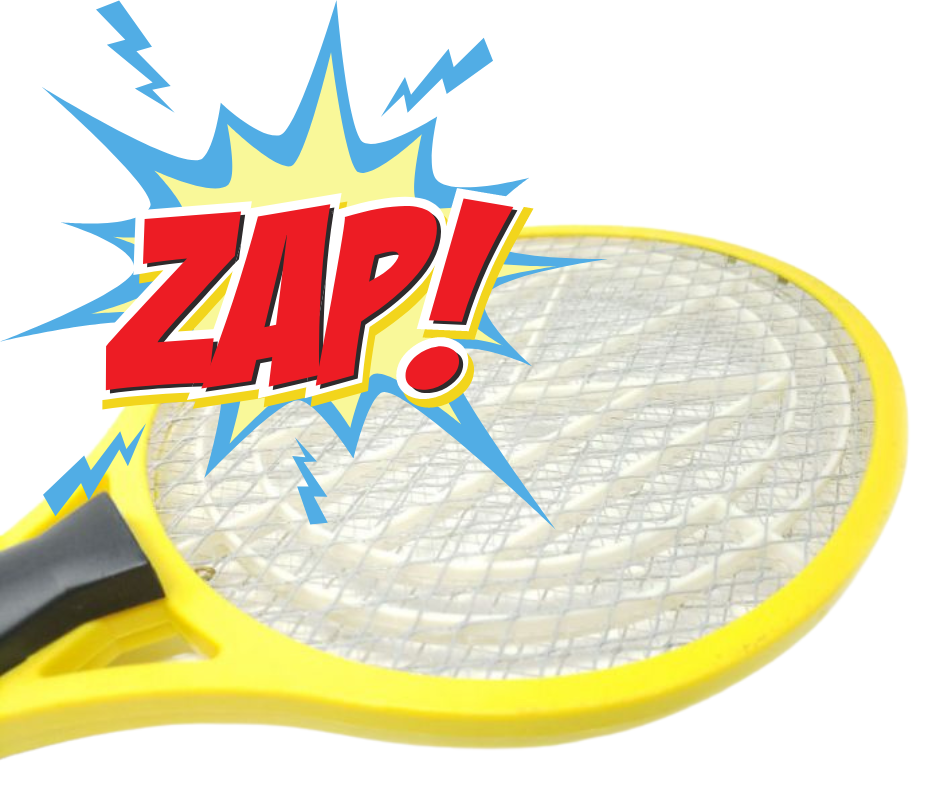
Electric fly swatters are handheld devices designed to kill insects with an electric shock. They resemble a tennis racket, with electric wires running across the surface. When an insect makes contact, the electric current delivers a zap, ending the pest problem instantly. These swatters are battery-operated, making them portable and convenient for indoor and outdoor use.
The appeal of electric fly swatters lies in their simplicity and effectiveness. Unlike chemical sprays, they don’t release harmful substances into the air. Plus, they target insects directly, so you won’t have to worry about affecting other parts of your environment. They’re a tool for those who want quick, clean, and effective pest control solutions.
History of Fly Swatting
The battle against flies has a long history. Before electric swatters, traditional fly swatters – usually a mesh or plastic flap attached to a handle – were the primary tool for dealing with these pests. These manual swatters required precision and quick reflexes to be effective.
Over time, as technology advanced, so did pest control methods. The introduction of electric fly swatters marked a significant step forward. They brought a new level of efficiency to the task of fly swatting. This evolution reflects our ongoing quest to find better ways to handle everyday challenges like pest control.

Tired of weak fly swatters?
Try our 3,000 volt bug zapper today
FREE SHIPPING!
How Does an Electric Fly Swatter Work
Understanding the mechanics of electric fly swatters helps you appreciate their effectiveness. Let’s examine the science behind the zap and how it compares to traditional methods.
The Science Behind the Zap
Electric fly swatters work by generating a high-voltage electrical current. When an insect touches the wires, the current passes through its body, causing an immediate and fatal shock. The voltage is strong enough to kill small insects instantly but remains safe for humans.
This mechanism ensures an efficient and humane way to handle pests. Unlike sprays or traps, the swatter targets insects directly and doesn’t leave a mess. It’s a straightforward solution for anyone frustrated by traditional methods that don’t always yield quick results.
Comparing Electric and Traditional Fly Swatters
When comparing electric fly swatters to their traditional counterparts, one key difference is efficiency. Traditional swatters require precision and speed, which can be challenging for those without quick reflexes. In contrast, electric swatters simplify the process: contact with the insect is all it takes.
Another advantage of electric swatters is their cleanliness. Traditional methods can leave a mess, while electric swatters contain the insect, reducing cleanup. This makes them a practical option for those who want a swift and neat pest control solution.
Fly Swatter Effectiveness: A Closer Look
To understand if electric fly swatters truly deliver on their promises, we need to examine both user experiences and scientific studies. These insights shed light on their real-world performance.
Real-Life User Testimonials
Many users report positive experiences with electric fly swatters. They highlight the swatter’s ability to handle pests quickly and efficiently. Some users note that the electric zap is satisfying, offering immediate results without the hassle of chasing insects around the room.
However, not all experiences are universal. Some users mention difficulty with larger insects or issues with battery life. Despite these challenges, the consensus is that electric fly swatters offer a significant improvement over traditional methods.
Scientific Studies on Electric Fly Swatters
Several studies have explored the effectiveness of electric fly swatters. These studies confirm that the high-voltage zap is highly effective against small flying insects. Researchers found that electric swatters deliver consistent results, making them a reliable tool for pest control.
Moreover, these studies highlight the swatter’s environmental advantages. Since they don’t rely on chemicals, electric swatters reduce the impact on the ecosystem. This makes them an eco-friendly choice for those concerned about sustainability.
Factors Influencing Success
To get the most out of your electric fly swatter, it’s important to consider factors that influence its success. These include design features and the types of insects you’re targeting.
Design Features to Consider
When choosing an electric fly swatter, design matters. Look for swatters with a high-voltage output for maximum effectiveness. A large surface area increases your chances of making contact with insects. Additionally, consider the handle’s length: a longer handle can help you reach those hard-to-get spots.
Battery life is another crucial factor. Opt for models with long-lasting batteries to avoid frequent replacements. Some swatters offer rechargeable batteries, which can be a cost-effective and convenient option.
Targeting Different Insects
Electric fly swatters are versatile tools, capable of handling various flying insects. They’re most effective against smaller pests like flies, mosquitoes, and gnats. Larger insects may require multiple zaps or different pest control strategies.
Understanding the specific pests you’re dealing with can enhance your swatter’s success. If your home is plagued by mosquitoes, mastering mosquito control can be particularly beneficial. Knowing your target helps you tailor your approach and achieve better results.
Tips for Optimal Use
To maximize the effectiveness of your electric fly swatter, it’s important to follow some best practices for use and maintenance. These tips help you get the most out of your device.
Best Practices for Home Use
For optimal performance, keep your electric fly swatter within easy reach in areas where insects are prevalent. Kitchens and patios are common hotspots. Quick access ensures you can act swiftly when pests appear.
Regularly check and replace batteries to maintain peak performance. A weak battery reduces the swatter’s efficiency. Finally, practice your swing: a smooth, controlled motion increases your chances of success.
Safety Precautions and Maintenance
Safety is key when using an electric fly swatter. Avoid touching the wires, especially when the device is on. Keep the swatter out of reach of children to prevent accidents.
Regular maintenance prolongs the swatter’s life. Clean the wires after use to remove insect residue, which can affect performance. Storing the swatter in a safe, dry place prevents damage and ensures it’s ready for action when you need it.
Frequently Asked Questions
Do electric fly swatters work on all insects?
Electric fly swatters are most effective on small flying insects like flies and mosquitoes. Larger insects may require multiple zaps or different methods.
Are electric fly swatters safe for indoor use?
Yes, they are safe for indoor use. They don’t release harmful chemicals, making them a good choice for homes with kids and pets.
How do I maintain my electric fly swatter?
Clean the wires after each use, replace batteries regularly, and store in a dry place. This ensures optimal performance and longevity.
Can electric swatters be used outdoors?
Yes, they are portable and suitable for outdoor use. They’re effective in gardens and patios, where insects are common.
What should I look for when buying an electric fly swatter?
Consider voltage, battery life, and surface area. These features enhance efficiency and make handling pests easier.
Order the super powerful 3,000 volt bug zapper today!
3000 Volt Fly Swatter – Videos – FAQ
Wholesale – Track Order – Contact Us – Coupon Code

Electric Fly Swatter vs Bug Spray: Which Is Better?
Electric Fly Swatter vs Bug Spray: Which Is Better? Flies buzzing around your home won’t quit just because you want peace. You’ve probably tried bug spray and electric fly swatters, but which one actually wins at pest control? We’ll break down the pros and cons of both, including safety, cost, and how well they really work. Keep reading to find out which method fits your needs and keeps those pests away for good. For more information, check out this link. Get FREE shipping on your bug zapper today! Introduction to Pest Control Options You’re probably wondering which pest control method […]

How to Keep Flies Away From Your Kitchen
How to Keep Flies Away From Your Kitchen Flies buzzing around your kitchen can ruin the freshest meal and make any cooking session frustrating. You’ve probably tried a few quick fixes that didn’t stick, leaving those pests right where you don’t want them. This post shares clear fly prevention tips and practical ways to keep flies away, so your kitchen stays clean and inviting all year long. For more on an effective tool, check out this electric fly swatter guide. Get FREE shipping on your bug zapper today! Maintaining Kitchen Cleanliness Keeping your kitchen spotless is a solid first step […]

How Does an Electric Fly Swatter Work?
How Does an Electric Fly Swatter Work? Flies seem to appear out of nowhere, buzzing around and ruining your peace. An electric fly swatter turns that annoyance into a quick zap, but what’s really happening behind the scenes? Understanding how electric fly swatters work can give you the edge in pest control, helping you eliminate bugs more effectively and keep your space comfortable. Let’s break down the science and share practical tips to get the most from your electric swatter. [https://www.electricflyswatter.net/how-does-an-electric-fly-swatter-work/] Get FREE shipping on your bug zapper today! Introduction to Electric Fly Swatters Electric fly swatters have become a […]

3000 Volt Bug Zapper: Is Higher Voltage Better?
3000 Volt Bug Zapper: Is Higher Voltage Better? Most bug zappers on the market run below 3000 volts, but some claim that a 3000 volt bug zapper kills insects faster and more effectively. If you’ve been frustrated by pests ruining your outdoor time, you might wonder if higher voltage really makes a difference. This post breaks down how voltage impacts bug zapper effectiveness, compares popular models, and weighs safety concerns so you can decide if a 3000-volt zapper fits your pest control needs. For more information on high voltage zappers, check out this resource. Get FREE shipping on your bug […]
What Is a Bug Zapper Racket?
What Is a Bug Zapper Racket? Bug zapper rackets are changing how people handle annoying insects. You’re tired of swatting at bugs or spraying chemicals that leave a mess. These handheld bug zappers use electric grids to zap insects on contact, making pest control quick and mess-free. Keep reading to learn how these portable bug zappers offer a cleaner, safer way to protect your space indoors and out. Check out more here. Get FREE shipping on your bug zapper today! Understanding Bug Zapper Rackets Bug zapper rackets are gaining attention as a practical tool for pest control. They offer a […]
Can an Electric Fly Swatter Kill Large Flies?
Can an Electric Fly Swatter Kill Large Flies? Large flies can be tougher to deal with than their smaller cousins, and not every electric fly swatter packs the punch needed to handle them. If you’ve ever wondered whether these gadgets really work against bigger pests, you’re not alone. This post breaks down the electric fly swatter effectiveness against larger flies, explains the power needed, and shares fly swatter tips to help you get the best results. By the end, you’ll know if an electric fly swatter for large flies fits your pest control solutions. For more information, you can visit […]
What Is the Best Way to Get Rid of a Mosquito in Your Bedroom?
What Is the Best Way to Get Rid of a Mosquito in Your Bedroom? Mosquitoes buzzing around your bedroom can turn a good night’s sleep into a frustrating battle. You’ve tried swatting and sprays, but those tiny pests keep coming back. This guide on the best way to get rid of a mosquito in your bedroom lays out proven mosquito control methods, from smart traps to simple prevention tips, so you can finally rest without the constant itch. Learn more about effective mosquito solutions here. Get FREE shipping on your bug zapper today! Effective Mosquito Traps Finding the right trap […]

Best Electric Fly Swatter for Mosquitoes
Best Electric Fly Swatter for Mosquitoes Mosquitoes can turn any outdoor evening into a battle zone. You need a tool that cuts through the buzz and delivers quick results without hassle. This guide on the best electric fly swatter for mosquitoes breaks down top models, highlighting what really matters like battery life, safety, and ease of use to help you find the right fit for your space. Get FREE shipping on your bug zapper today! Top Electric Fly Swatters Finding the right electric fly swatter can feel like a challenge with so many options. Let’s look at the top models […]
How to Get Rid of Mosquitoes Indoors
How to Get Rid of Mosquitoes Indoors Mosquitoes inside your home can turn any relaxing evening into an irritating battle. You’ve tried sprays or nets, but those buzzing invaders keep coming back. This guide on how to get rid of mosquitoes indoors will give you practical steps to eliminate mosquitoes using natural repellents, insecticides, and smart prevention tactics that stop them before they enter. Keep reading to take control of your space and protect yourself from bites once and for all. For an effective tool in your mosquito control arsenal, check out this electric fly swatter. Get FREE shipping on […]
Do Electric Fly Swatters Kill Mosquitoes?
Do Electric Fly Swatters Kill Mosquitoes? Electric fly swatters promise a quick fix for those relentless mosquito bites, but do they actually deliver? If you’ve been wondering whether these gadgets can stand up to traditional mosquito traps and repellents, you’re not alone. This post breaks down how electric fly swatters work, what users say, and if they are a smart choice for your mosquito control needs. Keep reading to find out if this tool can really help you beat those pesky insects. Learn more about how an electric fly swatter works. Get FREE shipping on your bug zapper today! Understanding […]
Bug Zapper Racket vs Electric Fly Swatter: What’s the Difference?
Bug Zapper Racket vs Electric Fly Swatter: What’s the Difference? You’ve probably stood there swatting at bugs with little success, wondering if there’s a better way. Bug zapper rackets and electric fly swatters both promise quick fixes, but they work very differently. In this bug zapper comparison, you’ll learn how each tool handles pests, which insects they target best, and which one fits your home pest solutions perfectly. Get FREE shipping on your bug zapper today! Understanding Bug Zapper Rackets Bug zapper rackets are a modern take on pest control tools, offering an engaging way to deal with insects. They […]
Electric Fly Swatter Battery Life: How Long Do They Last?
Electric Fly Swatter Battery Life: How Long Do They Last? Most electric fly swatters lose power faster than you expect, leaving you swatting empty-handed just when you need them. The type of battery inside makes a huge difference in how long your device keeps working. This post breaks down what influences electric fly swatter battery life and shares simple tips for extending it so your pest control device stays ready when bugs appear. For more information, check this link. Understanding Electric Fly Swatters Before diving into battery life specifics, it’s important to understand electric fly swatters and their key components. […]
Leave A Comment
You must be logged in to post a comment.