
Exploring the Mosquito Life Cycle: Uncovering Nature’s Intricate Design
In the fascinating world of entomology, understanding the mosquito life cycle reveals the intricate patterns woven by nature. This tiny creature, often seen as a mere nuisance, undergoes a remarkable transformation from egg to adult, a process influenced by a myriad of environmental conditions for mosquitoes. As we delve into the nuances of mosquito egg hatching, we uncover how temperature effects on mosquitoes and varying humidity levels play a crucial role in their development. Different species of mosquitoes exhibit unique adaptations, showcasing the diverse strategies employed by these insects to thrive. Join us as we explore the delicate balance of factors that shape the life cycle of mosquitoes, providing insights into an often-overlooked marvel of nature.

Understanding the Mosquito Life Cycle
The mosquito life cycle is a fascinating journey through distinct stages of development. This process is not only critical to the survival of mosquitoes but also plays a significant role in their interactions with ecosystems. Understanding these stages helps us appreciate the complexity of these insects and their impact on our world.
Stages of Development
Mosquitoes undergo a four-stage life cycle: egg, larva, pupa, and adult. Each stage is unique and critical for the mosquito’s development.
-
Egg Stage: Female mosquitoes lay eggs on water surfaces. These eggs can survive drying and hatch when conditions are favorable.
-
Larva Stage: Once hatched, larvae live in water and feed on organic matter. They undergo several molts during this stage.
-
Pupa Stage: In this stage, mosquitoes do not feed but undergo transformation. Pupae are mobile and remain aquatic.
-
Adult Stage: Adults emerge from pupae, ready to breed and feed. They are capable of flying and reproducing.
Each stage is influenced by environmental conditions, which determine the mosquito’s development speed and survival rate.
Importance in Ecosystems
Mosquitoes are often considered pests, but they play a crucial role in ecosystems. They serve as food for various creatures, from fish to birds.
-
Food Source: Mosquito larvae and adults are prey for fish, amphibians, and birds.
-
Pollinators: Some adult mosquitoes feed on nectar, assisting in plant pollination.
Mosquitoes also help in nutrient cycling by breaking down organic matter during their larval stage. However, their role as disease vectors poses challenges in balancing ecological benefits and health risks.
Mosquito Egg Hatching Process
The process of mosquito egg hatching is a complex interplay of environmental factors. These factors, primarily temperature and humidity, determine the survival and timing of hatching. Understanding these conditions can aid in mosquito management strategies.
Factors Affecting Hatching
Several factors influence mosquito egg hatching:
-
Temperature: Warmer temperatures generally increase hatching speed.
-
Humidity: High humidity supports egg viability and hatching success.
-
Water Quality: Eggs require clean water for optimal development.
For example, in tropical regions, the consistent warmth and humidity lead to faster hatching. Conversely, in temperate areas, eggs may take longer due to cooler conditions. This variation shows how adaptable mosquitoes are to different environments.
Temperature Effects on Mosquitoes
Temperature plays a pivotal role in mosquito development. Warmer climates tend to accelerate the life cycle, facilitating quicker egg hatching and adult emergence.
-
Increased Temperature: Leads to faster development and shorter life cycles.
-
Decreased Temperature: Slows down growth and extends the developmental period.
High temperatures can also affect mosquito behavior, increasing feeding and breeding frequency. However, extreme heat may reduce survival rates. Understanding these dynamics is vital for mosquito control and predicting population changes due to climate variations.
Humidity and Mosquito Development
Humidity is another critical factor for mosquitoes. High humidity ensures egg survival and larval development.
-
High Humidity: Ensures eggs remain viable and supports larval growth.
-
Low Humidity: Can lead to egg desiccation and reduced hatching rates.
In regions with fluctuating humidity, mosquitoes may adapt by laying eggs that can withstand dry conditions. This adaptability highlights the resilience of mosquitoes in diverse environments, emphasizing the need for tailored control measures.
Environmental Conditions for Mosquitoes
Environmental conditions significantly impact the mosquito life cycle, influencing their distribution and population dynamics. These conditions include climate, habitat availability, and human activities.
Impact of Climate on Life Cycle
Climate shapes the mosquito life cycle by affecting their breeding and survival rates.
For instance, warmer climates often support larger mosquito populations due to year-round breeding opportunities. In contrast, colder climates may limit mosquito activity to warmer months.
-
Tropical Climates: Facilitate continuous breeding and higher populations.
-
Temperate Climates: Restrict breeding to specific seasons, leading to population fluctuations.
Understanding these impacts helps in predicting mosquito distribution and planning control measures, particularly in the face of climate change.
Species Variation in Mosquitoes
Mosquito species exhibit significant variation in their life cycles and habitats. This diversity affects how they interact with their environments and respond to control efforts.
For example, some species prefer stagnant water for breeding, while others thrive in fast-flowing streams.
-
Aedes Mosquitoes: Often found in urban areas, breed in small water containers.
-
Anopheles Mosquitoes: Prefer clean, fresh water and are major malaria vectors.
Recognizing these variations is crucial for effective mosquito management. Tailored strategies can target specific species, reducing their impact on human populations and ecosystems.
Adapting Mosquito Surveillance
Surveillance is key to managing mosquito populations effectively. It involves monitoring their activity and distribution to implement timely control measures.
Monitoring Techniques
Effective mosquito surveillance requires a combination of traditional and modern techniques. These methods help track population trends and identify hotspots.
-
Larval Sampling: Collecting and identifying larvae from breeding sites.
-
Adult Trapping: Using traps to capture and count adult mosquitoes.
-
Remote Sensing: Using satellite data to identify potential breeding habitats.
Combining these methods provides a comprehensive understanding of mosquito populations. This data is crucial for implementing targeted control measures and assessing intervention effectiveness.
Innovations in Mosquito Control
Innovations in mosquito control are transforming how we manage these pests. New methods focus on reducing mosquito populations and preventing disease transmission.
One innovative approach is genetic modification, where mosquitoes are engineered to reduce their ability to reproduce or carry diseases.
-
Sterile Insect Technique: Involves releasing sterile males to reduce breeding success.
-
Genetic Engineering: Creates mosquitoes that cannot transmit diseases.
These cutting-edge strategies, combined with traditional methods, offer promising solutions for controlling mosquito populations and reducing their impact on public health.
Implications for Research and Public Health
Understanding the mosquito life cycle has significant implications for research and public health. It informs strategies to manage populations and mitigate disease risks.
Challenges in Managing Populations
Managing mosquito populations presents several challenges. Understanding these barriers is critical for effective control.
-
Resistance to Insecticides: Mosquitoes can develop resistance, reducing control effectiveness.
-
Habitat Diversity: Diverse breeding sites complicate management efforts.
-
Climate Change: Alters mosquito distribution and increases disease risks.
Addressing these challenges requires innovative solutions and collaborative efforts across sectors to achieve sustainable mosquito control.
Future Directions in Study
Future research directions involve exploring new control methods and understanding the ecological roles of mosquitoes. Key areas of focus include:
-
Developing Eco-friendly Insecticides: To reduce environmental impact.
-
Studying Mosquito Genetics: For insights into disease transmission and control strategies.
-
Enhancing Public Awareness: About the role and management of mosquitoes.
These directions aim to balance mosquito control with ecological preservation, ensuring sustainable management and improved public health outcomes.
For further reading on these topics, you can visit the EPA’s mosquito life cycle page, explore scientific literature, or learn about mosquito control strategies from Excel Pest Services and Emtosci Publisher.
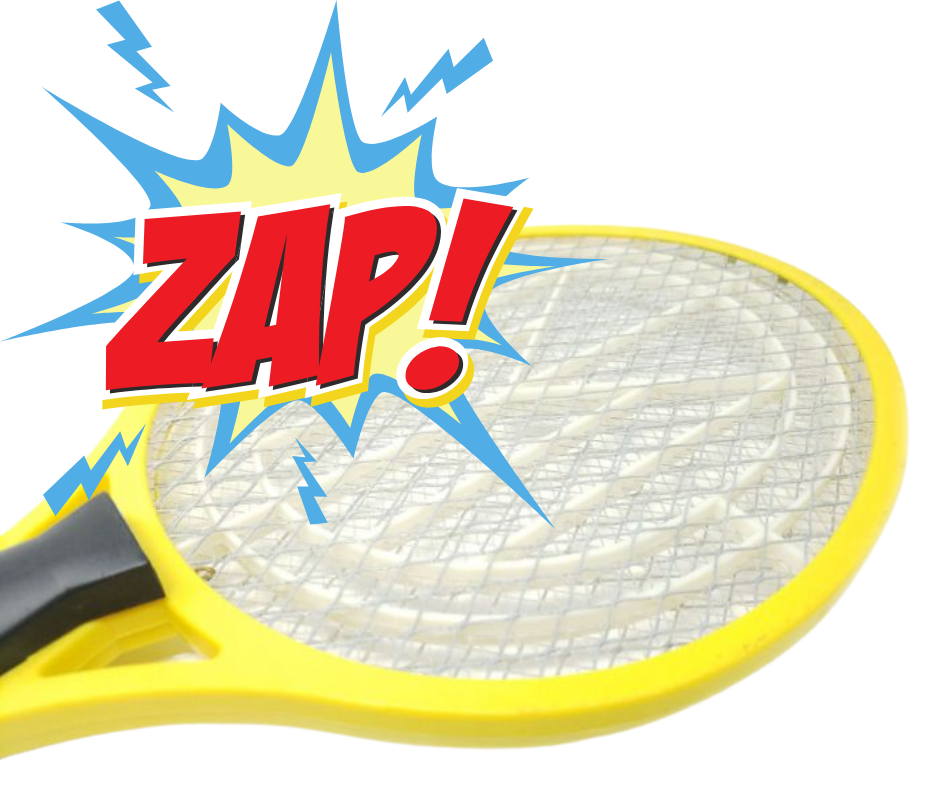
Order the super powerful 3,000 volt bug zapper today!

3000 Volt Bug Zapper: Is Higher Voltage Better?
3000 Volt Bug Zapper: Is Higher Voltage Better? Most bug zappers on the market run below 3000 volts, but some claim that a 3000 volt bug zapper kills insects faster and more effectively. If you’ve been frustrated by pests ruining your outdoor time, you might wonder if higher voltage really makes a difference. This post breaks down how voltage impacts bug zapper effectiveness, compares popular models, and weighs safety concerns so you can decide if a 3000-volt zapper fits your pest control needs. For more information on high voltage zappers, check out this resource. Get FREE shipping on your bug […]
What Is a Bug Zapper Racket?
What Is a Bug Zapper Racket? Bug zapper rackets are changing how people handle annoying insects. You’re tired of swatting at bugs or spraying chemicals that leave a mess. These handheld bug zappers use electric grids to zap insects on contact, making pest control quick and mess-free. Keep reading to learn how these portable bug zappers offer a cleaner, safer way to protect your space indoors and out. Check out more here. Get FREE shipping on your bug zapper today! Understanding Bug Zapper Rackets Bug zapper rackets are gaining attention as a practical tool for pest control. They offer a […]

Can an Electric Fly Swatter Kill Large Flies?
Can an Electric Fly Swatter Kill Large Flies? Large flies can be tougher to deal with than their smaller cousins, and not every electric fly swatter packs the punch needed to handle them. If you’ve ever wondered whether these gadgets really work against bigger pests, you’re not alone. This post breaks down the electric fly swatter effectiveness against larger flies, explains the power needed, and shares fly swatter tips to help you get the best results. By the end, you’ll know if an electric fly swatter for large flies fits your pest control solutions. For more information, you can visit […]
What Is the Best Way to Get Rid of a Mosquito in Your Bedroom?
What Is the Best Way to Get Rid of a Mosquito in Your Bedroom? Mosquitoes buzzing around your bedroom can turn a good night’s sleep into a frustrating battle. You’ve tried swatting and sprays, but those tiny pests keep coming back. This guide on the best way to get rid of a mosquito in your bedroom lays out proven mosquito control methods, from smart traps to simple prevention tips, so you can finally rest without the constant itch. Learn more about effective mosquito solutions here. Get FREE shipping on your bug zapper today! Effective Mosquito Traps Finding the right trap […]

Best Electric Fly Swatter for Mosquitoes
Best Electric Fly Swatter for Mosquitoes Mosquitoes can turn any outdoor evening into a battle zone. You need a tool that cuts through the buzz and delivers quick results without hassle. This guide on the best electric fly swatter for mosquitoes breaks down top models, highlighting what really matters like battery life, safety, and ease of use to help you find the right fit for your space. Get FREE shipping on your bug zapper today! Top Electric Fly Swatters Finding the right electric fly swatter can feel like a challenge with so many options. Let’s look at the top models […]

How to Get Rid of Mosquitoes Indoors
How to Get Rid of Mosquitoes Indoors Mosquitoes inside your home can turn any relaxing evening into an irritating battle. You’ve tried sprays or nets, but those buzzing invaders keep coming back. This guide on how to get rid of mosquitoes indoors will give you practical steps to eliminate mosquitoes using natural repellents, insecticides, and smart prevention tactics that stop them before they enter. Keep reading to take control of your space and protect yourself from bites once and for all. For an effective tool in your mosquito control arsenal, check out this electric fly swatter. Get FREE shipping on […]
Do Electric Fly Swatters Kill Mosquitoes?
Do Electric Fly Swatters Kill Mosquitoes? Electric fly swatters promise a quick fix for those relentless mosquito bites, but do they actually deliver? If you’ve been wondering whether these gadgets can stand up to traditional mosquito traps and repellents, you’re not alone. This post breaks down how electric fly swatters work, what users say, and if they are a smart choice for your mosquito control needs. Keep reading to find out if this tool can really help you beat those pesky insects. Learn more about how an electric fly swatter works. Get FREE shipping on your bug zapper today! Understanding […]
Bug Zapper Racket vs Electric Fly Swatter: What’s the Difference?
Bug Zapper Racket vs Electric Fly Swatter: What’s the Difference? You’ve probably stood there swatting at bugs with little success, wondering if there’s a better way. Bug zapper rackets and electric fly swatters both promise quick fixes, but they work very differently. In this bug zapper comparison, you’ll learn how each tool handles pests, which insects they target best, and which one fits your home pest solutions perfectly. Get FREE shipping on your bug zapper today! Understanding Bug Zapper Rackets Bug zapper rackets are a modern take on pest control tools, offering an engaging way to deal with insects. They […]

Electric Fly Swatter Battery Life: How Long Do They Last?
Electric Fly Swatter Battery Life: How Long Do They Last? Most electric fly swatters lose power faster than you expect, leaving you swatting empty-handed just when you need them. The type of battery inside makes a huge difference in how long your device keeps working. This post breaks down what influences electric fly swatter battery life and shares simple tips for extending it so your pest control device stays ready when bugs appear. For more information, check this link. Understanding Electric Fly Swatters Before diving into battery life specifics, it’s important to understand electric fly swatters and their key components. […]
How to Get Rid of Flies on a Porch or Patio
How to Get Rid of Flies on a Porch or Patio Flies swarming around your porch can turn relaxing evenings into constant battles. You’ve tried a few tricks, but those pests keep coming back like they own the place. Learning how to get rid of flies on your porch means taking control with simple steps like using fly traps and natural fly repellents that actually work. Keep reading to find a clear plan that will help you enjoy your outdoor space without those annoying intruders. For more insights on effective fly control, check out this resource. Get FREE shipping on […]
Best Electric Fly Swatter for Flies: What Should You Look For?
Best Electric Fly Swatter for Flies: What Should You Look For? Flies buzzing around your home or yard can feel impossible to control. Picking the right tool makes all the difference, but not every electric fly swatter handles the job well. This guide breaks down the key fly swatter features you need to spot the best electric fly swatter for your needs, with clear advice and top picks based on real user feedback. Keep reading to find the fly repellent tool that actually works for you. For more information, visit this guide. Get FREE shipping on your bug zapper today! […]
How to Get Rid of Flies in Your House Fast
How to Get Rid of Flies in Your House Fast Flies buzzing around your home can turn peaceful moments into nonstop irritation. When you need fast fly removal, waiting for them to go away on their own isn’t an option. This post breaks down how to get rid of flies in your house using natural remedies, commercial fly solutions, and proven pest control tips. You’ll also learn what attracts flies in the first place, so you can stop them from coming back. For a powerful tool in your fly-fighting arsenal, check out the best electric fly swatter. Get FREE shipping […]
Leave A Comment
You must be logged in to post a comment.