

Uncovering the Buzz: All About Alaska Mosquitoes
Curious about whether Alaska has mosquitoes? Brace yourself for an in-depth exploration of the buzzing world of Alaska mosquitoes. From their habits to the best ways to protect yourself, this comprehensive guide will delve into everything you need to know about dealing with mosquitoes in Alaska. So, whether you’re planning a trip or simply intrigued by these pesky insects, get ready to uncover the secrets of Alaska’s mosquitoes.
Unmasking the Myths: Alaska Mosquitoes
The Reality of Mosquitoes in Alaska
Contrary to the myth that Alaska might be too cold for mosquitoes, these insects are in fact a common summer nuisance in the region. Alaska mosquitoes thrive during the warmer months, particularly in June and July when the state experiences nearly constant daylight. The water from melting snow creates ideal breeding grounds for mosquitoes. With over 35 species present in the state, the sheer volume of mosquitoes in Alaska can be surprising to both residents and visitors.
While some areas might have fewer mosquitoes, places with stagnant water or dense vegetation can see significant swarms. The abundance of mosquitoes is due to Alaska’s vast wetlands, which provide perfect conditions for laying eggs and sustaining larval development. It’s essential for those spending time outdoors to be prepared for their presence and understand that these insects are a natural part of Alaska’s ecosystem.
Dispelling Common Misconceptions
One widespread misconception is that Alaska mosquitoes are larger than their counterparts elsewhere. While it’s true that some species found in Alaska are relatively large, the size of a mosquito does not necessarily correlate with its geographic location. Mosquito size is more dependent on the availability of resources during their larval stages than on their environment.
Another myth is that Alaska’s cold climate would kill off mosquitoes, leading to a belief that they are not a concern. In reality, mosquitoes have adapted to the Alaskan environment. They enter a state called diapause, allowing them to survive the winter. As the snow melts and temperatures rise, they emerge in large numbers.
Additionally, some people believe that these insects are only found in remote areas of Alaska, but mosquitoes can be found throughout the state, including urban areas. It’s vital to be prepared for encounters with mosquitoes in all parts of Alaska.
Understanding Alaska Mosquitoes: A Closer Look
Life Cycle and Habitat of Alaska Mosquitoes
Alaska mosquitoes go through a four-stage life cycle: egg, larva, pupa, and adult. In spring and early summer, female mosquitoes lay eggs in standing water or damp soil. After the eggs hatch, the larvae feed on organic matter in the water, growing until they reach the pupal stage. This is when they transform into flying adults.
The habitats of Alaska mosquitoes vary, but they are commonly found near sources of stagnant water where they can breed, such as ponds, marshes, and puddles formed by melting snow. They are especially prolific in the low-lying tundra regions where water pools on the surface. The presence of thick vegetation can also provide mosquitoes with shelter from predators and harsh weather conditions, further contributing to their survival and abundance in the Alaskan wilderness.
Mosquitoes are highly active during the summer months in Alaska, taking advantage of the continuous daylight to feed and mate. This period is crucial for their life cycle, as they must complete their development before the return of winter conditions.
The Role of Mosquitoes in the Ecosystem
Mosquitoes, often viewed merely as pests, play a significant role in the Alaskan ecosystem. They serve as a crucial food source for various wildlife, including birds, bats, and fish. Alaska mosquitoes are particularly important for migratory birds that rely on the high-protein snack to fuel their long journeys.
The larvae of mosquitoes, found in water, provide sustenance for aquatic insects and fish. This makes them a fundamental link in the food chain, supporting the diet of larger predators. Moreover, adult mosquitoes contribute to pollination. While feeding on nectar for energy, they inadvertently transfer pollen between plants, aiding in the reproductive process of many Alaskan flora.
Understanding the ecological importance of mosquitoes can shift the perception of these insects from being nuisances to recognizing their role in maintaining the balance of ecosystems. This perspective is crucial when considering methods of mosquito control to minimize the negative impact on the environment.
Dealing with Alaska Mosquitoes: Practical Tips
Prevention and Protection Measures
When it comes to dealing with Alaska mosquitoes, the key is prevention and protection. The most effective strategy is to minimize skin exposure by wearing long sleeves, pants, and hats, especially during peak mosquito activity at dawn and dusk. Use insect repellent on any exposed skin, and opt for products containing DEET, picaridin, or oil of lemon eucalyptus for best results.
For added protection, treat clothing and gear with permethrin, a repellent that can be applied to fabrics and remains effective through several washes. When camping, use mosquito nets around sleeping areas, and consider pre-treating the nets with insecticides for extra defense.
Keep the environment around your living area less attractive to mosquitoes by eliminating standing water where they can breed. This includes emptying containers, maintaining proper drainage, and ensuring gutters are clear. Lastly, the use of fans can disrupt mosquitoes’ flight patterns and provide a reprieve from their presence in outdoor spaces.
Making Your Alaska Adventure Mosquito-Free
Planning ahead is essential for a mosquito-free experience in Alaska. Before embarking on your adventure, invest in quality protective gear, including a reliable insect repellent and clothing designed to keep mosquitoes at bay. If you’re heading into the wilderness, consider packing a portable mosquito net for times when you’re stationary, such as when fishing or observing wildlife.
Stay informed about the areas you plan to visit. Some regions may have more mosquitoes than others, depending on the time of year and recent weather patterns. Planning your activities for times when mosquitoes are less active can also make a significant difference.
If you’re staying in a cabin or tent, ensure that all screens are intact and seal any gaps where mosquitoes could enter. Utilizing mosquito coils or thermacell devices can create a mosquito-resistant perimeter in your immediate area. By taking these steps, you can focus on enjoying the stunning Alaskan landscape rather than swatting away pests.
Order in the next 29 minutes and get FREE SHIPPING!


Fast same day shipping – 2-3 day delivery

How Does an Electric Fly Swatter Work?
How Does an Electric Fly Swatter Work? Flies seem to appear out of nowhere, buzzing around and ruining your peace. An electric fly swatter turns that annoyance into a quick zap, but what’s really happening behind the scenes? Understanding how electric fly swatters work can give you the edge in pest control, helping you eliminate bugs more effectively and keep your space comfortable. Let’s break down the science and share practical tips to get the most from your electric swatter. [https://www.electricflyswatter.net/how-does-an-electric-fly-swatter-work/] Get FREE shipping on your bug zapper today! Introduction to Electric Fly Swatters Electric fly swatters have become a […]

3000 Volt Bug Zapper: Is Higher Voltage Better?
3000 Volt Bug Zapper: Is Higher Voltage Better? Most bug zappers on the market run below 3000 volts, but some claim that a 3000 volt bug zapper kills insects faster and more effectively. If you’ve been frustrated by pests ruining your outdoor time, you might wonder if higher voltage really makes a difference. This post breaks down how voltage impacts bug zapper effectiveness, compares popular models, and weighs safety concerns so you can decide if a 3000-volt zapper fits your pest control needs. For more information on high voltage zappers, check out this resource. Get FREE shipping on your bug […]
What Is a Bug Zapper Racket?
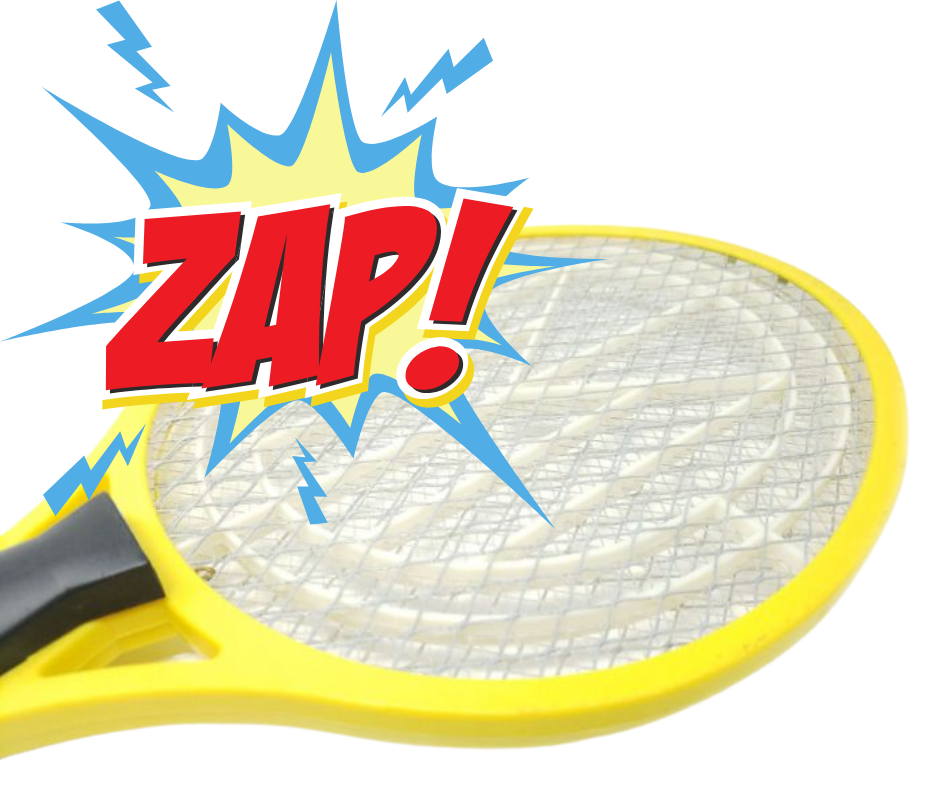
What Is a Bug Zapper Racket? Bug zapper rackets are changing how people handle annoying insects. You’re tired of swatting at bugs or spraying chemicals that leave a mess. These handheld bug zappers use electric grids to zap insects on contact, making pest control quick and mess-free. Keep reading to learn how these portable bug zappers offer a cleaner, safer way to protect your space indoors and out. Check out more here. Get FREE shipping on your bug zapper today! Understanding Bug Zapper Rackets Bug zapper rackets are gaining attention as a practical tool for pest control. They offer a […]

Can an Electric Fly Swatter Kill Large Flies?
Can an Electric Fly Swatter Kill Large Flies? Large flies can be tougher to deal with than their smaller cousins, and not every electric fly swatter packs the punch needed to handle them. If you’ve ever wondered whether these gadgets really work against bigger pests, you’re not alone. This post breaks down the electric fly swatter effectiveness against larger flies, explains the power needed, and shares fly swatter tips to help you get the best results. By the end, you’ll know if an electric fly swatter for large flies fits your pest control solutions. For more information, you can visit […]
What Is the Best Way to Get Rid of a Mosquito in Your Bedroom?
What Is the Best Way to Get Rid of a Mosquito in Your Bedroom? Mosquitoes buzzing around your bedroom can turn a good night’s sleep into a frustrating battle. You’ve tried swatting and sprays, but those tiny pests keep coming back. This guide on the best way to get rid of a mosquito in your bedroom lays out proven mosquito control methods, from smart traps to simple prevention tips, so you can finally rest without the constant itch. Learn more about effective mosquito solutions here. Get FREE shipping on your bug zapper today! Effective Mosquito Traps Finding the right trap […]

Best Electric Fly Swatter for Mosquitoes
Best Electric Fly Swatter for Mosquitoes Mosquitoes can turn any outdoor evening into a battle zone. You need a tool that cuts through the buzz and delivers quick results without hassle. This guide on the best electric fly swatter for mosquitoes breaks down top models, highlighting what really matters like battery life, safety, and ease of use to help you find the right fit for your space. Get FREE shipping on your bug zapper today! Top Electric Fly Swatters Finding the right electric fly swatter can feel like a challenge with so many options. Let’s look at the top models […]
Leave A Comment
You must be logged in to post a comment.