
Mosquitoes That Carry West Nile
Understanding the threat posed by mosquitoes that carry West Nile virus is crucial for those seeking to protect themselves and their loved ones. These mosquitoes, capable of transmitting the potentially dangerous West Nile virus, are a significant concern for individuals aiming to eliminate mosquito populations in their vicinity. By delving into the characteristics, habitats, and behaviors of these mosquitoes, we can better equip ourselves with the knowledge needed to effectively combat this health hazard. Let’s explore the world of mosquitoes that carry West Nile virus and arm ourselves with the information necessary to take proactive measures against this threat.
Understanding the Threat: Mosquitoes That Carry West Nile Virus
Identifying Mosquitoes That Carry West Nile
Identifying the mosquitoes that carry West Nile virus is a critical step in managing the threat. These mosquitoes are primarily from the Culex species, which are medium-sized and brown with white markings on their bodies and legs. They are most active from dusk until dawn, which is when they typically feed. Key to recognizing these mosquitoes is observing their behavior; unlike other species, Culex mosquitoes prefer to breed in standing water, often in urban and suburban areas.
To identify these mosquitoes, look for:
-
Dull brown color with white markings
-
Active primarily during evening and nighttime
-
Breeding in stagnant water sources
By accurately identifying these mosquitoes, individuals can better target their efforts to reduce mosquito populations and lower the risk of West Nile virus transmission in their areas.
The Life Cycle of West Nile Carrying Mosquitoes
The life cycle of mosquitoes that carry West Nile virus follows a four-stage process: egg, larva, pupa, and adult. The cycle begins when a female mosquito lays her eggs on the surface of standing water. Within days, the eggs hatch into larvae, which are aquatic and must come to the surface to breathe. As larvae grow, they molt several times before becoming pupae.
Here’s a breakdown of the stages:
-
Egg: Laid on water, hatching depends on temperature and conditions.
-
Larva: Aquatic, feeds on organic matter, molts multiple times.
-
Pupa: Transitional stage, does not feed, development into adult.
-
Adult: Emerges from pupa, ready to feed and potentially spread West Nile virus.
Understanding this cycle is vital for effective mosquito control, as interventions can be targeted at the most vulnerable stages to prevent the mosquitoes from reaching adulthood and transmitting the virus.
The Impact of West Nile Virus
How West Nile Virus Affects the Human Body
When a person is bitten by a mosquito carrying West Nile virus, the virus can enter the bloodstream and cause a variety of symptoms. Most people infected with West Nile virus will not show any signs of illness. However, about 20% may develop West Nile fever, which can present symptoms such as fever, headache, body aches, joint pains, vomiting, diarrhea, or rash.
For a small percentage of people, approximately 1 in 150, the virus can lead to severe neurological illnesses, such as encephalitis or meningitis. Symptoms of these conditions include:
-
High fever
-
Headache
-
Neck stiffness
-
Disorientation
-
Coma
-
Tremors
-
Seizures
-
Muscle weakness
-
Vision loss
Understanding how West Nile virus affects the body enables individuals to seek timely medical attention if they exhibit symptoms, especially if they live in areas where the virus is prevalent.
The Global Reach of West Nile Virus
West Nile virus is not limited to any single geographical area; it has a global impact. Originally identified in the West Nile district of Uganda in 1937, the virus has since spread across continents, affecting populations in Africa, the Middle East, Europe, and North America. The virus was introduced to North America in 1999, where it has since become a seasonal epidemic, flaring up in the summer and continuing into the fall.
Factors contributing to the global spread include:
-
Migratory bird patterns, which can carry the virus across long distances.
-
International trade and travel, facilitating the transport of infected mosquitoes.
-
Climate change, which can expand the habitats of mosquitoes.
The reach of West Nile virus underscores the importance of global awareness and cooperation in monitoring, controlling, and preventing the spread of this disease. It is a reminder that infectious diseases know no borders.
Strategies to Combat Mosquitoes That Carry West Nile
Safeguarding Your Home Against Mosquitoes
To safeguard your home against mosquitoes that carry West Nile virus, focus on eliminating their breeding grounds and preventing their entry. Remove standing water where mosquitoes can lay eggs, including in plant saucers, bird baths, and clogged gutters. Use screens on windows and doors to keep mosquitoes out, and consider using mosquito netting around beds if you live in an area with a high population of mosquitoes.
Here are actionable steps to take:
-
Regularly empty any containers with standing water.
-
Keep gutters clean and well-draining.
-
Install and maintain screens on windows and doors.
-
Use air conditioning when possible to keep mosquitoes outside.
-
Apply insect repellent containing DEET, picaridin, or oil of lemon eucalyptus on exposed skin.
By implementing these measures, you can significantly reduce the presence of mosquitoes around your home and protect yourself and your family from potential West Nile virus exposure.
Modern Solutions for Mosquito Control
Modern solutions for mosquito control combine technology and innovative methods to tackle the threat of mosquitoes that carry West Nile virus. One approach is the use of genetically modified mosquitoes, which are designed to reduce mosquito populations by producing offspring that do not survive to adulthood. Another method involves the release of mosquitoes infected with a bacterium called Wolbachia, which renders them less capable of transmitting viruses.
Technological advancements have also led to the development of smart traps that use CO2 and heat to lure and capture mosquitoes. These traps can be monitored remotely, allowing for efficient tracking and management of mosquito populations.
Key points in modern mosquito control:
-
Genetically modified mosquitoes to reduce population.
-
Wolbachia-infected mosquitoes that prevent virus transmission.
-
Smart traps for efficient mosquito surveillance and control.
These modern solutions require careful consideration and monitoring, but they offer promising avenues for controlling mosquito populations and reducing the spread of West Nile virus.
Order in the next 29 minutes and get FREE SHIPPING!


Fast same day shipping – 2-3 day delivery

How Does an Electric Fly Swatter Work?
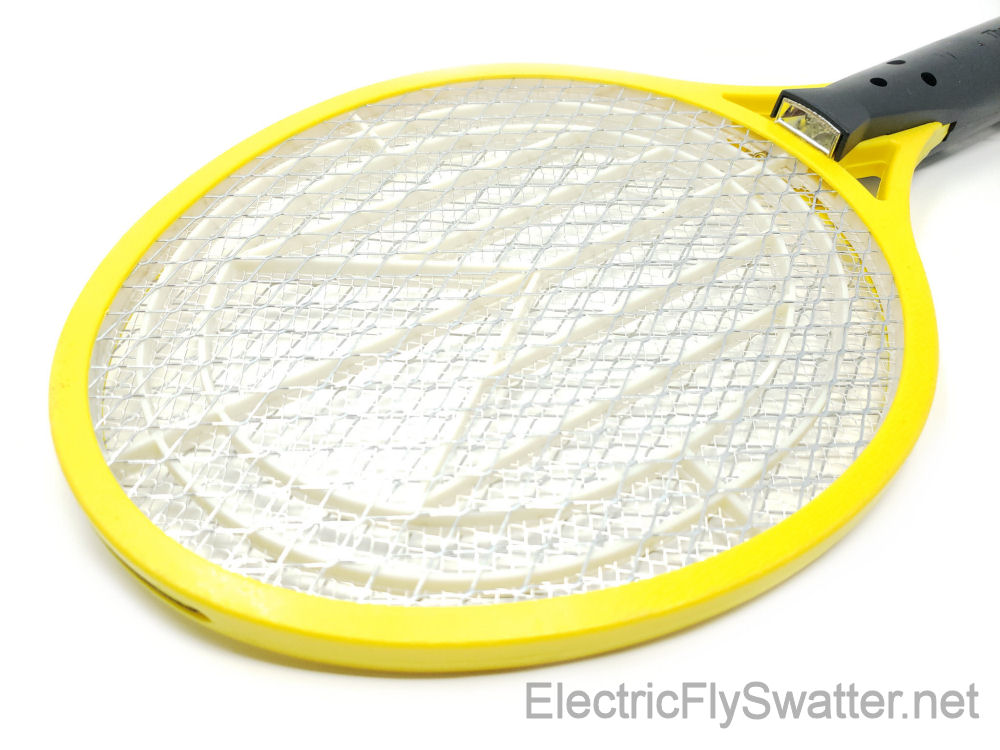
How Does an Electric Fly Swatter Work? Flies seem to appear out of nowhere, buzzing around and ruining your peace. An electric fly swatter turns that annoyance into a quick zap, but what’s really happening behind the scenes? Understanding how electric fly swatters work can give you the edge in pest control, helping you eliminate bugs more effectively and keep your space comfortable. Let’s break down the science and share practical tips to get the most from your electric swatter. [https://www.electricflyswatter.net/how-does-an-electric-fly-swatter-work/] Get FREE shipping on your bug zapper today! Introduction to Electric Fly Swatters Electric fly swatters have become a […]

3000 Volt Bug Zapper: Is Higher Voltage Better?
3000 Volt Bug Zapper: Is Higher Voltage Better? Most bug zappers on the market run below 3000 volts, but some claim that a 3000 volt bug zapper kills insects faster and more effectively. If you’ve been frustrated by pests ruining your outdoor time, you might wonder if higher voltage really makes a difference. This post breaks down how voltage impacts bug zapper effectiveness, compares popular models, and weighs safety concerns so you can decide if a 3000-volt zapper fits your pest control needs. For more information on high voltage zappers, check out this resource. Get FREE shipping on your bug […]
What Is a Bug Zapper Racket?
What Is a Bug Zapper Racket? Bug zapper rackets are changing how people handle annoying insects. You’re tired of swatting at bugs or spraying chemicals that leave a mess. These handheld bug zappers use electric grids to zap insects on contact, making pest control quick and mess-free. Keep reading to learn how these portable bug zappers offer a cleaner, safer way to protect your space indoors and out. Check out more here. Get FREE shipping on your bug zapper today! Understanding Bug Zapper Rackets Bug zapper rackets are gaining attention as a practical tool for pest control. They offer a […]

Can an Electric Fly Swatter Kill Large Flies?
Can an Electric Fly Swatter Kill Large Flies? Large flies can be tougher to deal with than their smaller cousins, and not every electric fly swatter packs the punch needed to handle them. If you’ve ever wondered whether these gadgets really work against bigger pests, you’re not alone. This post breaks down the electric fly swatter effectiveness against larger flies, explains the power needed, and shares fly swatter tips to help you get the best results. By the end, you’ll know if an electric fly swatter for large flies fits your pest control solutions. For more information, you can visit […]
What Is the Best Way to Get Rid of a Mosquito in Your Bedroom?
What Is the Best Way to Get Rid of a Mosquito in Your Bedroom? Mosquitoes buzzing around your bedroom can turn a good night’s sleep into a frustrating battle. You’ve tried swatting and sprays, but those tiny pests keep coming back. This guide on the best way to get rid of a mosquito in your bedroom lays out proven mosquito control methods, from smart traps to simple prevention tips, so you can finally rest without the constant itch. Learn more about effective mosquito solutions here. Get FREE shipping on your bug zapper today! Effective Mosquito Traps Finding the right trap […]

Best Electric Fly Swatter for Mosquitoes
Best Electric Fly Swatter for Mosquitoes Mosquitoes can turn any outdoor evening into a battle zone. You need a tool that cuts through the buzz and delivers quick results without hassle. This guide on the best electric fly swatter for mosquitoes breaks down top models, highlighting what really matters like battery life, safety, and ease of use to help you find the right fit for your space. Get FREE shipping on your bug zapper today! Top Electric Fly Swatters Finding the right electric fly swatter can feel like a challenge with so many options. Let’s look at the top models […]
Leave A Comment
You must be logged in to post a comment.