

Mastering Mosquito Control: A Deep Dive into Insecticides and Their Impact
In the quest to master mosquito control, understanding the intricate world of insecticides is essential for homeowners, pest control professionals, and environmentalists alike. Mosquitoes are not just a nuisance; they are vectors of serious diseases, making their management a priority in both urban and rural settings. This exploration will take you through the fascinating mechanisms of popular insecticides like pyrethroids and organophosphates, shedding light on their effectiveness and how they interact with our environment. We will also delve into the realm of biological control agents, offering insights into safer alternatives that minimize environmental impact. As we navigate through these pest control methods, safety considerations for humans and pets will be at the forefront, ensuring you can confidently implement effective strategies in your own backyard. For more insights, visit here.

Understanding Mosquito Control Tactics
In the realm of mosquito control, various tactics are employed to manage and reduce the mosquito population. These techniques are crucial for minimizing disease transmission and improving public health. By understanding different control methods, stakeholders can effectively address the challenges posed by mosquitoes.
Overview of Mosquito Control
Mosquito control encompasses a range of strategies aimed at reducing mosquito populations and minimizing their impact on human health. Integrated approaches often yield the best results, combining chemical, biological, and physical methods. Chemical control involves the use of insecticides, while biological control leverages natural predators or pathogens.
The ultimate goal of mosquito control is to reduce the risk of disease transmission. Mosquitoes are vectors for diseases such as malaria, dengue, and Zika virus. Effective control measures can significantly lower infection rates.
Public awareness plays a crucial role in successful mosquito control. Educating communities about preventive measures, such as removing standing water and using repellents, can aid in reducing mosquito breeding sites.

Tired of weak fly swatters?
Try our 3,000 volt bug zapper today
FREE SHIPPING!
The Role of Insecticides in Control
Insecticides are pivotal in mosquito control efforts. They are chemicals designed to kill mosquitoes at various life stages, from larvae to adults. Pyrethroids and organophosphates are common insecticide categories used in mosquito control.
Pyrethroids are favored due to their effectiveness and low toxicity to humans. Organophosphates, though effective, pose higher risks to non-target species and humans. More about insecticide impact can be found here.
The choice of insecticide depends on specific needs and circumstances. Factors such as mosquito species, environment, and resistance patterns influence the selection process. Effective application and monitoring are crucial for success.
Impact on Public Health
Mosquito control has a significant impact on public health. By reducing the population of disease-carrying mosquitoes, the incidence of mosquito-borne diseases can be minimized. Control efforts are essential in areas prone to outbreaks.
The World Health Organization emphasizes the importance of mosquito control in preventing diseases like malaria and dengue. Public health officials prioritize mosquito management to safeguard communities.
Investments in mosquito control programs are vital. They not only improve health outcomes but also reduce healthcare costs associated with treating mosquito-borne illnesses. Continued research and innovation in this field are crucial for sustained success. For detailed insights, see this study.
Exploring Common Insecticides
Understanding the various insecticides available for mosquito control is essential for selecting the appropriate method for different environments. This section explores the characteristics and implications of commonly used insecticides.
Pyrethroids: A Popular Choice
Pyrethroids are synthetic insecticides derived from natural pyrethrins found in chrysanthemum flowers. These chemicals are widely used due to their efficacy and environmental safety. Pyrethroids work by disrupting the nervous system of mosquitoes, leading to paralysis and death.
Their appeal lies in their low toxicity to humans and pets, making them suitable for residential areas. Pyrethroids are often used in sprays and mosquito nets, providing effective protection against mosquito bites.
Resistance management is crucial. Overuse of pyrethroids can lead to resistance in mosquito populations, reducing their effectiveness. Integrated pest management strategies help mitigate this risk. More about pyrethroids can be found here.
Organophosphates: Pros and Cons
Organophosphates are another class of insecticides used in mosquito control. They function by inhibiting the enzyme cholinesterase, essential for nerve function in insects. While effective, organophosphates pose higher risks to humans and the environment.
Their use is often restricted to specific settings, such as agricultural areas, where mosquito control is critical. Proper handling and application are essential to minimize health hazards.
A primary concern is the potential impact on non-target species, including beneficial insects and aquatic life. The Environmental Protection Agency provides guidelines on safe usage, detailed here.
Biological Control Agents: Eco-friendly Alternatives
Biological control agents offer an environmentally friendly alternative to chemical insecticides. These agents include natural predators, like fish and dragonflies, and microbial agents such as Bacillus thuringiensis israelensis (Bti).
Bti is a bacterium that produces toxins lethal to mosquito larvae but safe for humans and wildlife. It is often used in larvicide applications, targeting breeding sites in water bodies.
Advantages of biological control include reduced environmental impact and sustainability. However, these methods require careful implementation and monitoring to ensure effectiveness. For further exploration, visit this resource.
Application Methods and Techniques
Effective mosquito control relies heavily on the right application methods and techniques. This section delves into the various methods used to apply insecticides and manage mosquito populations efficiently.
Spraying Techniques and Tools
Spraying is a common method for applying insecticides in mosquito control. Techniques vary from handheld sprayers for personal use to large-scale aerial spraying for broader coverage. Each method has its own set of tools and equipment.
-
Handheld Sprayers: Ideal for small areas like gardens. They allow precise application but require manual operation and regular refills.
-
Backpack Sprayers: Suitable for larger properties. They provide extended reach and capacity but require physical effort to carry.
-
Aerial Spraying: Used in emergency situations or for wide areas. It covers large regions quickly but requires careful planning and execution.
The choice of spraying technique depends on the area size, mosquito infestation level, and resources available. Proper training and equipment maintenance are crucial for safe and effective application.
Integrated Pest Management Strategies
Integrated Pest Management (IPM) is a holistic approach combining multiple control strategies to manage mosquito populations effectively. It emphasizes prevention, monitoring, and targeted interventions.
IPM strategies include:
-
Habitat Modification: Removing breeding sites, such as standing water.
-
Biological Control: Utilizing natural predators or microbial agents.
-
Chemical Control: Applying insecticides judiciously, based on monitoring data.
Benefits of IPM include reduced reliance on chemical insecticides, sustainable pest control, and minimized environmental impact. For comprehensive IPM guidelines, refer to this resource.
Safety Considerations for Humans and Pets
Safety is paramount when applying insecticides for mosquito control. Proper handling and application are essential to protect humans and pets from potential exposure.
Key safety measures include:
-
Reading Labels: Follow instructions and precautions on insecticide labels.
-
Protective Gear: Use gloves, masks, and protective clothing during application.
-
Application Timing: Apply insecticides when people and pets are not present.
Effective communication and education about safety practices can prevent accidental exposure and ensure the well-being of all involved. For more detailed safety information, visit here.
Assessing Environmental Impact
Understanding the environmental impact of mosquito control methods is crucial for sustainable pest management. This section explores how insecticides and control practices affect ecosystems and biodiversity.
Effects on Non-target Species
Insecticides can affect non-target species, including beneficial insects, birds, and aquatic life. The impact varies based on the type of insecticide and application method used. Pyrethroids and organophosphates are known to have varying degrees of effects.
Mitigation strategies include:
-
Selective Targeting: Using insecticides that specifically target mosquitoes.
-
Buffer Zones: Implementing no-spray zones near sensitive habitats.
-
Biological Control: Opting for non-chemical alternatives where feasible.
Understanding these impacts is essential for balancing mosquito control with environmental conservation. Detailed insights can be found here.
Long-term Ecological Consequences
The long-term ecological consequences of mosquito control practices require careful consideration. Persistent use of chemical insecticides can lead to resistance and disrupt ecological balance.
Research suggests that over-reliance on insecticides can reduce biodiversity and harm ecosystems. Strategies that promote biodiversity, such as biological control, can help mitigate these effects.
Monitoring and research are crucial for understanding ecological impacts and adapting practices to minimize negative outcomes. Ongoing studies, such as those found here, provide valuable insights.
Balancing Control and Conservation
Achieving a balance between effective mosquito control and environmental conservation is a key challenge. Integrated approaches that combine targeted chemical use with biological and habitat management hold promise.
Key considerations include:
-
Adaptive Management: Continually assessing and adjusting mosquito control strategies.
-
Public Engagement: Involving communities in conservation efforts and decision-making.
-
Cross-disciplinary Collaboration: Engaging ecologists, public health experts, and policymakers.
For more on balancing these priorities, see this resource.
Future Trends in Mosquito Control
As technology advances, new trends in mosquito control are emerging. This section highlights innovations and sustainable practices shaping the future of mosquito management.
Innovations in Insecticide Development
Insecticide development continues to evolve, with a focus on creating more effective and environmentally friendly options. New formulations aim to enhance efficacy while reducing non-target impact.
Recent innovations include:
-
Novel Compounds: Developing insecticides with unique modes of action.
-
Microencapsulation: Enhancing delivery and stability of active ingredients.
-
Resistance Management: Creating products that address resistance issues.
Ongoing research and development efforts are crucial for staying ahead of evolving mosquito populations. For detailed information, refer to this study.
Sustainable Pest Control Methods
Sustainability is a growing focus in mosquito control. Practices that emphasize ecological balance and resource efficiency are gaining traction.
Sustainable methods include:
-
Conservation of Natural Predators: Encouraging habitats for mosquito predators.
-
Behavioral Interventions: Educating communities on minimizing breeding sites.
-
Alternative Technologies: Exploring genetic modifications and sterile insect techniques.
Such strategies offer long-term solutions with minimal environmental impact. For more insights, see this resource.
Encouraging Responsible Use and Practices
Promoting responsible use of mosquito control methods ensures effective outcomes while minimizing risks. Stakeholders must adopt best practices and stay informed about new developments.
Recommendations include:
-
Ongoing Training: Providing education on the latest control techniques.
-
Community Involvement: Engaging local communities in control efforts.
-
Regulatory Compliance: Adhering to guidelines and regulations for safe use.
By fostering responsible practices, we can achieve effective mosquito management with a focus on safety and sustainability. For comprehensive guidelines, visit here.
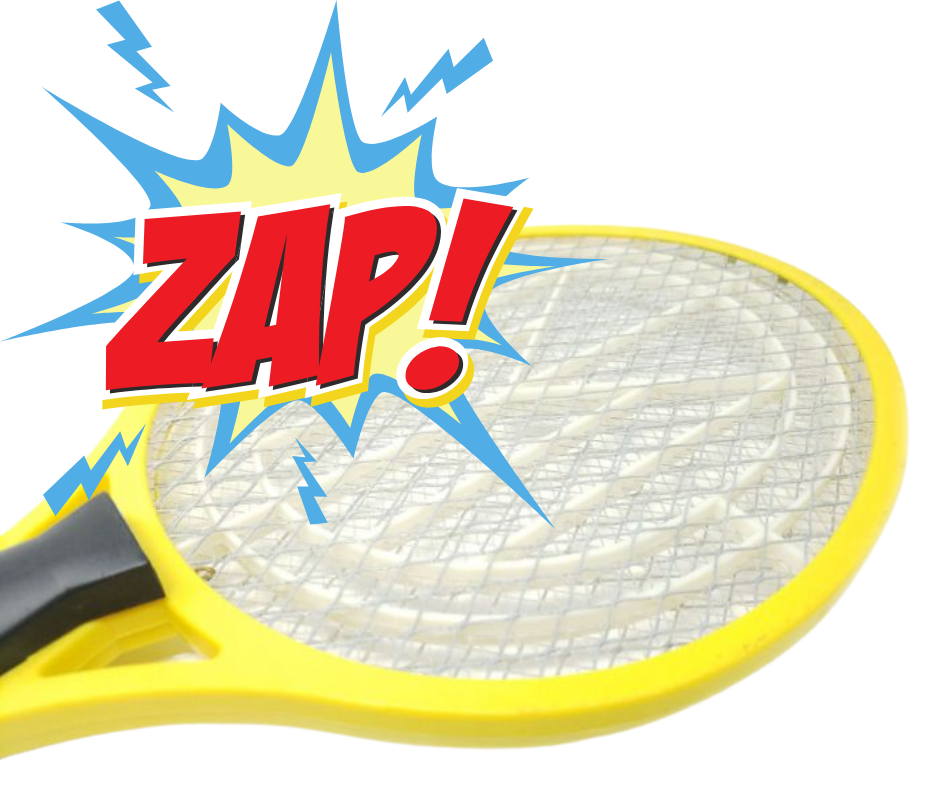
Order the super powerful 3,000 volt bug zapper today!

3000 Volt Bug Zapper: Is Higher Voltage Better?
3000 Volt Bug Zapper: Is Higher Voltage Better? Most bug zappers on the market run below 3000 volts, but some claim that a 3000 volt bug zapper kills insects faster and more effectively. If you’ve been frustrated by pests ruining your outdoor time, you might wonder if higher voltage really makes a difference. This post breaks down how voltage impacts bug zapper effectiveness, compares popular models, and weighs safety concerns so you can decide if a 3000-volt zapper fits your pest control needs. For more information on high voltage zappers, check out this resource. Get FREE shipping on your bug […]
What Is a Bug Zapper Racket?
What Is a Bug Zapper Racket? Bug zapper rackets are changing how people handle annoying insects. You’re tired of swatting at bugs or spraying chemicals that leave a mess. These handheld bug zappers use electric grids to zap insects on contact, making pest control quick and mess-free. Keep reading to learn how these portable bug zappers offer a cleaner, safer way to protect your space indoors and out. Check out more here. Get FREE shipping on your bug zapper today! Understanding Bug Zapper Rackets Bug zapper rackets are gaining attention as a practical tool for pest control. They offer a […]

Can an Electric Fly Swatter Kill Large Flies?
Can an Electric Fly Swatter Kill Large Flies? Large flies can be tougher to deal with than their smaller cousins, and not every electric fly swatter packs the punch needed to handle them. If you’ve ever wondered whether these gadgets really work against bigger pests, you’re not alone. This post breaks down the electric fly swatter effectiveness against larger flies, explains the power needed, and shares fly swatter tips to help you get the best results. By the end, you’ll know if an electric fly swatter for large flies fits your pest control solutions. For more information, you can visit […]
What Is the Best Way to Get Rid of a Mosquito in Your Bedroom?
What Is the Best Way to Get Rid of a Mosquito in Your Bedroom? Mosquitoes buzzing around your bedroom can turn a good night’s sleep into a frustrating battle. You’ve tried swatting and sprays, but those tiny pests keep coming back. This guide on the best way to get rid of a mosquito in your bedroom lays out proven mosquito control methods, from smart traps to simple prevention tips, so you can finally rest without the constant itch. Learn more about effective mosquito solutions here. Get FREE shipping on your bug zapper today! Effective Mosquito Traps Finding the right trap […]

Best Electric Fly Swatter for Mosquitoes
Best Electric Fly Swatter for Mosquitoes Mosquitoes can turn any outdoor evening into a battle zone. You need a tool that cuts through the buzz and delivers quick results without hassle. This guide on the best electric fly swatter for mosquitoes breaks down top models, highlighting what really matters like battery life, safety, and ease of use to help you find the right fit for your space. Get FREE shipping on your bug zapper today! Top Electric Fly Swatters Finding the right electric fly swatter can feel like a challenge with so many options. Let’s look at the top models […]

How to Get Rid of Mosquitoes Indoors
How to Get Rid of Mosquitoes Indoors Mosquitoes inside your home can turn any relaxing evening into an irritating battle. You’ve tried sprays or nets, but those buzzing invaders keep coming back. This guide on how to get rid of mosquitoes indoors will give you practical steps to eliminate mosquitoes using natural repellents, insecticides, and smart prevention tactics that stop them before they enter. Keep reading to take control of your space and protect yourself from bites once and for all. For an effective tool in your mosquito control arsenal, check out this electric fly swatter. Get FREE shipping on […]
Do Electric Fly Swatters Kill Mosquitoes?
Do Electric Fly Swatters Kill Mosquitoes? Electric fly swatters promise a quick fix for those relentless mosquito bites, but do they actually deliver? If you’ve been wondering whether these gadgets can stand up to traditional mosquito traps and repellents, you’re not alone. This post breaks down how electric fly swatters work, what users say, and if they are a smart choice for your mosquito control needs. Keep reading to find out if this tool can really help you beat those pesky insects. Learn more about how an electric fly swatter works. Get FREE shipping on your bug zapper today! Understanding […]
Bug Zapper Racket vs Electric Fly Swatter: What’s the Difference?
Bug Zapper Racket vs Electric Fly Swatter: What’s the Difference? You’ve probably stood there swatting at bugs with little success, wondering if there’s a better way. Bug zapper rackets and electric fly swatters both promise quick fixes, but they work very differently. In this bug zapper comparison, you’ll learn how each tool handles pests, which insects they target best, and which one fits your home pest solutions perfectly. Get FREE shipping on your bug zapper today! Understanding Bug Zapper Rackets Bug zapper rackets are a modern take on pest control tools, offering an engaging way to deal with insects. They […]

Electric Fly Swatter Battery Life: How Long Do They Last?
Electric Fly Swatter Battery Life: How Long Do They Last? Most electric fly swatters lose power faster than you expect, leaving you swatting empty-handed just when you need them. The type of battery inside makes a huge difference in how long your device keeps working. This post breaks down what influences electric fly swatter battery life and shares simple tips for extending it so your pest control device stays ready when bugs appear. For more information, check this link. Understanding Electric Fly Swatters Before diving into battery life specifics, it’s important to understand electric fly swatters and their key components. […]
How to Get Rid of Flies on a Porch or Patio
How to Get Rid of Flies on a Porch or Patio Flies swarming around your porch can turn relaxing evenings into constant battles. You’ve tried a few tricks, but those pests keep coming back like they own the place. Learning how to get rid of flies on your porch means taking control with simple steps like using fly traps and natural fly repellents that actually work. Keep reading to find a clear plan that will help you enjoy your outdoor space without those annoying intruders. For more insights on effective fly control, check out this resource. Get FREE shipping on […]
Best Electric Fly Swatter for Flies: What Should You Look For?
Best Electric Fly Swatter for Flies: What Should You Look For? Flies buzzing around your home or yard can feel impossible to control. Picking the right tool makes all the difference, but not every electric fly swatter handles the job well. This guide breaks down the key fly swatter features you need to spot the best electric fly swatter for your needs, with clear advice and top picks based on real user feedback. Keep reading to find the fly repellent tool that actually works for you. For more information, visit this guide. Get FREE shipping on your bug zapper today! […]
How to Get Rid of Flies in Your House Fast
How to Get Rid of Flies in Your House Fast Flies buzzing around your home can turn peaceful moments into nonstop irritation. When you need fast fly removal, waiting for them to go away on their own isn’t an option. This post breaks down how to get rid of flies in your house using natural remedies, commercial fly solutions, and proven pest control tips. You’ll also learn what attracts flies in the first place, so you can stop them from coming back. For a powerful tool in your fly-fighting arsenal, check out the best electric fly swatter. Get FREE shipping […]
Leave A Comment
You must be logged in to post a comment.