

The Connection Between Mosquitoes and Water: Exploring Disease Transmission and Public Health Challenges
Mosquitoes are more than just a summer nuisance; they are complex creatures intricately linked to water sources, playing a significant role in disease transmission. Understanding mosquito breeding habits is crucial for effective pest control and mitigating their impact on public health. These tiny insects thrive in environments where water provides the perfect breeding ground, leading to challenges in mosquito prevention and control. As we dive into this topic, you’ll gain insights into the environmental impact of mosquitoes and learn strategies to combat their proliferation. Join us on this journey to uncover how these persistent pests influence our lives and health. For further reading on mosquito control strategies, consider this resource.

Mosquito Breeding Near Water
Understanding the connection between mosquitoes and water is essential to tackle their proliferation. Mosquitoes rely heavily on water for their breeding process. This section delves into the specifics of mosquito breeding habits and their environmental impact.
Ideal Water Sources for Breeding
Mosquitoes lay their eggs in various water sources. Stagnant water, such as ponds, ditches, and marshes, provides an ideal environment. Even small water accumulations, like those found in containers or clogged gutters, can serve as breeding grounds. Understanding these preferences helps in devising effective mosquito prevention strategies.
-
Natural Sources: Lakes, ponds, and marshes.
-
Artificial Sources: Containers, tires, and birdbaths.
-
Temporary Sources: Flooded areas after rainfall.
Eliminating these water sources can significantly reduce mosquito populations. For more detailed information on mosquito source reduction, visit this resource.
Life Cycle and Development Stages
The mosquito life cycle consists of four stages: egg, larva, pupa, and adult. Each stage depends on water for development. Eggs are laid on water surfaces, hatching into larvae that reside in water. The pupal stage is also water-bound, eventually giving rise to the adult mosquito.
-
Egg Stage: Can lay hundreds of eggs in a single batch.
-
Larval Stage: Larvae feed on microorganisms in the water.
-
Pupal Stage: Pupae do not feed but transition into adults.
-
Adult Stage: Emerges to reproduce and continue the cycle.
Understanding these stages aids in targeting mosquito control efforts more effectively. For an in-depth exploration of these stages, see this guide.
Environmental Impact of Mosquitoes
Mosquitoes significantly impact the environment. While often seen as pests, they play a role in the ecosystem. Their presence affects both natural and human environments, influencing biodiversity and public health.
-
Biodiversity: Serve as food for birds and other insects.
-
Ecosystem Dynamics: Affect the balance of predator-prey relationships.
-
Public Health: Their role in disease transmission impacts human populations.
Balancing these impacts with control measures is crucial. For further insights into environmental and health implications, refer to this document.
Types of Mosquitoes and Habitats
Not all mosquitoes are the same. Different species have specific habitat preferences and behaviors. This section explores various mosquito species and their unique habitats.
Common Species Thriving in Water
Several mosquito species thrive in water-rich environments. The Aedes, Anopheles, and Culex are among the most common, each with different breeding preferences and disease vectors.
-
Aedes: Often found in urban areas, known for spreading Zika and dengue.
-
Anopheles: Prefers clean water bodies, primary malaria vector.
-
Culex: Common in stagnant water, associated with West Nile virus.
Understanding these species helps in developing targeted control strategies. For more on mosquito species and their habitats, visit this article.
Differences in Breeding Preferences
Mosquito species exhibit different breeding preferences based on water type, location, and environmental conditions. Anopheles prefer pristine water, while Aedes can breed in urban containers.
|
Species |
Preferred Water Type |
Key Diseases Spread |
|---|---|---|
|
Aedes |
Urban containers |
Zika, dengue |
|
Anopheles |
Clean, natural water |
Malaria |
|
Culex |
Stagnant water |
West Nile virus |
These differences underscore the importance of tailored control measures for each species.
Impact on Ecosystems
Mosquitoes impact ecosystems in various ways. They serve as food sources for other organisms and influence the population dynamics of predators and prey within their habitats.
-
Food Source: Important for birds, bats, and other insects.
-
Population Control: Natural check on overpopulation of certain species.
-
Disease Transmission: Affects both wildlife and human health.
The ecological role of mosquitoes is complex and multifaceted. Balancing their ecological importance with their role as vectors is vital for effective management.
Disease Transmission and Public Health
Mosquitoes are infamous for their role in disease transmission. This section examines key diseases spread by mosquitoes and the public health challenges they pose.
Key Diseases Spread by Mosquitoes
Mosquitoes are vectors for several significant diseases impacting public health globally. Malaria, dengue fever, Zika virus, and West Nile virus are among the most prevalent.
-
Malaria: Transmitted by Anopheles, affects millions annually.
-
Dengue Fever: Spread by Aedes, prevalent in tropical regions.
-
Zika Virus: Aedes mosquitoes, linked to birth defects.
-
West Nile Virus: Culex mosquitoes, causes neurological disease.
Understanding these diseases and their vectors is crucial for developing public health strategies.
Public Health Challenges and Responses
The spread of mosquito-borne diseases poses significant public health challenges. Efforts to combat these diseases require coordinated responses at local, national, and international levels.
-
Surveillance: Monitoring mosquito populations and disease spread.
-
Awareness: Educating communities on prevention methods.
-
Intervention: Implementing control measures to reduce transmission.
Public health officials must continuously adapt strategies to meet evolving challenges posed by mosquito-borne diseases.
Strategies for Mosquito Prevention
Effective mosquito prevention strategies are essential to mitigate the risk of disease transmission. These strategies combine education, environmental management, and chemical control.
-
Remove Standing Water: Eliminate breeding sites.
-
Use Insect Repellents: Personal protection against bites.
-
Install Screens: Prevent mosquito entry into homes.
-
Community Clean-ups: Remove potential water sources collectively.
Combining these approaches can significantly reduce mosquito populations and their impact on public health.
Pest Control and Management
Managing mosquito populations requires comprehensive pest control strategies. This section covers effective methods, the role of technology, and community involvement in mosquito management.
Effective Mosquito Control Methods
Effective mosquito control involves integrated approaches that target all life stages of mosquitoes. Combining environmental, biological, and chemical methods ensures optimal results.
-
Environmental Control: Eliminate breeding sites by draining standing water.
-
Biological Control: Introduce natural predators like fish or bacteria.
-
Chemical Control: Use larvicides and adulticides where necessary.
These methods are most effective when used in combination as part of an integrated pest management strategy.
Role of Technology in Pest Control
Technology plays a crucial role in modern pest control, offering innovative solutions for monitoring and managing mosquito populations.
-
Drones: Used for aerial surveillance of breeding sites.
-
Smart Traps: Capture and monitor mosquito populations.
-
Data Analytics: Analyze trends for better decision-making.
Advancements in technology provide new opportunities for effective mosquito management.
Community Involvement in Prevention Efforts
Community involvement is critical in successful mosquito prevention efforts. Engaging and educating communities fosters collaboration and collective action.
-
Education Programs: Raise awareness about prevention strategies.
-
Volunteer Initiatives: Encourage community clean-up days.
-
Local Partnerships: Collaborate with local organizations for broader impact.
Community-driven efforts enhance the effectiveness of mosquito control programs.
Environmental and Health Implications
Mosquito management has far-reaching environmental and health implications. This section explores these impacts and future directions in public health initiatives.
Long-term Environmental Impact
Long-term mosquito control efforts can affect ecosystems. It’s important to balance the need for mosquito reduction with environmental sustainability.
-
Biodiversity: Control measures can affect non-target species.
-
Chemical Use: Potential for environmental contamination.
-
Habitat Alteration: Impact on natural habitats and wildlife.
Considering these impacts helps develop sustainable mosquito management practices.
Balancing Ecosystem Health and Pest Control
Balancing ecosystem health with pest control is essential. Sustainable practices ensure that mosquito management does not compromise ecological integrity.
-
Integrated Pest Management: Combines multiple control methods.
-
Ecological Considerations: Protect non-target species and habitats.
-
Sustainable Practices: Minimize chemical use and environmental disruption.
These practices promote a balanced approach to mosquito management.
Future Directions in Public Health Initiatives
Future public health initiatives should focus on innovation and collaboration. Embracing new technologies and fostering global partnerships will enhance mosquito management efforts.
-
Innovation: Invest in research and development of new technologies.
-
Global Collaboration: Share knowledge and resources across borders.
-
Policy Development: Strengthen regulations and guidelines.
These initiatives will help address the challenges posed by mosquito-borne diseases and ensure a healthier future for all.
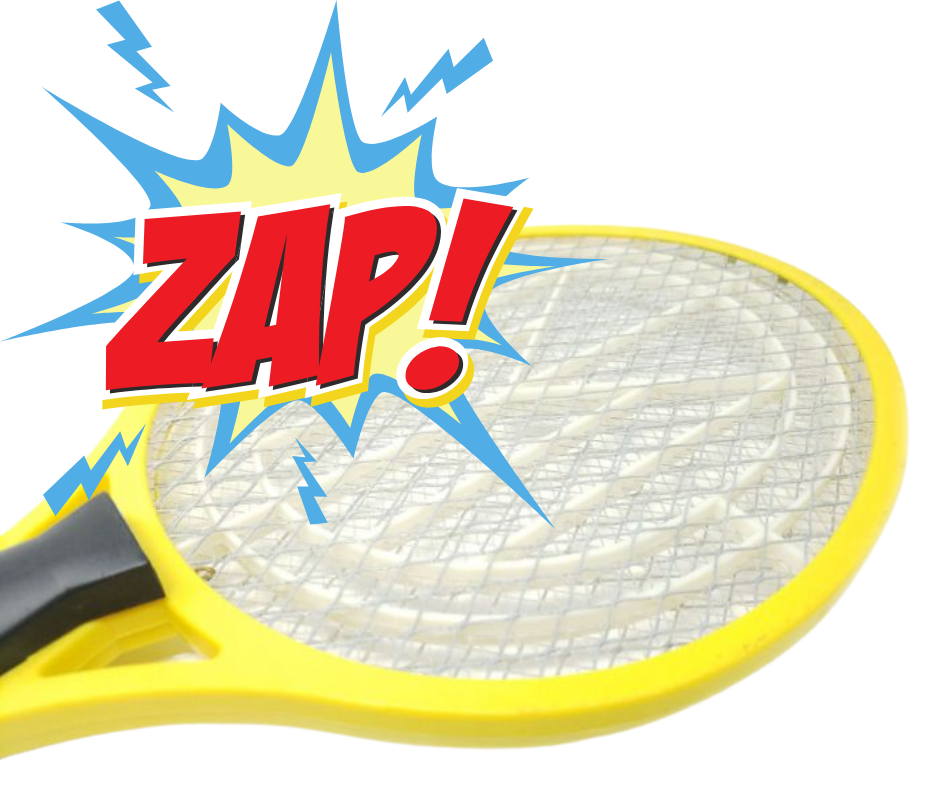
Order the super powerful 3,000 volt bug zapper today!

3000 Volt Bug Zapper: Is Higher Voltage Better?
3000 Volt Bug Zapper: Is Higher Voltage Better? Most bug zappers on the market run below 3000 volts, but some claim that a 3000 volt bug zapper kills insects faster and more effectively. If you’ve been frustrated by pests ruining your outdoor time, you might wonder if higher voltage really makes a difference. This post breaks down how voltage impacts bug zapper effectiveness, compares popular models, and weighs safety concerns so you can decide if a 3000-volt zapper fits your pest control needs. For more information on high voltage zappers, check out this resource. Get FREE shipping on your bug […]
What Is a Bug Zapper Racket?
What Is a Bug Zapper Racket? Bug zapper rackets are changing how people handle annoying insects. You’re tired of swatting at bugs or spraying chemicals that leave a mess. These handheld bug zappers use electric grids to zap insects on contact, making pest control quick and mess-free. Keep reading to learn how these portable bug zappers offer a cleaner, safer way to protect your space indoors and out. Check out more here. Get FREE shipping on your bug zapper today! Understanding Bug Zapper Rackets Bug zapper rackets are gaining attention as a practical tool for pest control. They offer a […]

Can an Electric Fly Swatter Kill Large Flies?
Can an Electric Fly Swatter Kill Large Flies? Large flies can be tougher to deal with than their smaller cousins, and not every electric fly swatter packs the punch needed to handle them. If you’ve ever wondered whether these gadgets really work against bigger pests, you’re not alone. This post breaks down the electric fly swatter effectiveness against larger flies, explains the power needed, and shares fly swatter tips to help you get the best results. By the end, you’ll know if an electric fly swatter for large flies fits your pest control solutions. For more information, you can visit […]
What Is the Best Way to Get Rid of a Mosquito in Your Bedroom?
What Is the Best Way to Get Rid of a Mosquito in Your Bedroom? Mosquitoes buzzing around your bedroom can turn a good night’s sleep into a frustrating battle. You’ve tried swatting and sprays, but those tiny pests keep coming back. This guide on the best way to get rid of a mosquito in your bedroom lays out proven mosquito control methods, from smart traps to simple prevention tips, so you can finally rest without the constant itch. Learn more about effective mosquito solutions here. Get FREE shipping on your bug zapper today! Effective Mosquito Traps Finding the right trap […]

Best Electric Fly Swatter for Mosquitoes
Best Electric Fly Swatter for Mosquitoes Mosquitoes can turn any outdoor evening into a battle zone. You need a tool that cuts through the buzz and delivers quick results without hassle. This guide on the best electric fly swatter for mosquitoes breaks down top models, highlighting what really matters like battery life, safety, and ease of use to help you find the right fit for your space. Get FREE shipping on your bug zapper today! Top Electric Fly Swatters Finding the right electric fly swatter can feel like a challenge with so many options. Let’s look at the top models […]

How to Get Rid of Mosquitoes Indoors
How to Get Rid of Mosquitoes Indoors Mosquitoes inside your home can turn any relaxing evening into an irritating battle. You’ve tried sprays or nets, but those buzzing invaders keep coming back. This guide on how to get rid of mosquitoes indoors will give you practical steps to eliminate mosquitoes using natural repellents, insecticides, and smart prevention tactics that stop them before they enter. Keep reading to take control of your space and protect yourself from bites once and for all. For an effective tool in your mosquito control arsenal, check out this electric fly swatter. Get FREE shipping on […]
Do Electric Fly Swatters Kill Mosquitoes?
Do Electric Fly Swatters Kill Mosquitoes? Electric fly swatters promise a quick fix for those relentless mosquito bites, but do they actually deliver? If you’ve been wondering whether these gadgets can stand up to traditional mosquito traps and repellents, you’re not alone. This post breaks down how electric fly swatters work, what users say, and if they are a smart choice for your mosquito control needs. Keep reading to find out if this tool can really help you beat those pesky insects. Learn more about how an electric fly swatter works. Get FREE shipping on your bug zapper today! Understanding […]
Bug Zapper Racket vs Electric Fly Swatter: What’s the Difference?
Bug Zapper Racket vs Electric Fly Swatter: What’s the Difference? You’ve probably stood there swatting at bugs with little success, wondering if there’s a better way. Bug zapper rackets and electric fly swatters both promise quick fixes, but they work very differently. In this bug zapper comparison, you’ll learn how each tool handles pests, which insects they target best, and which one fits your home pest solutions perfectly. Get FREE shipping on your bug zapper today! Understanding Bug Zapper Rackets Bug zapper rackets are a modern take on pest control tools, offering an engaging way to deal with insects. They […]

Electric Fly Swatter Battery Life: How Long Do They Last?
Electric Fly Swatter Battery Life: How Long Do They Last? Most electric fly swatters lose power faster than you expect, leaving you swatting empty-handed just when you need them. The type of battery inside makes a huge difference in how long your device keeps working. This post breaks down what influences electric fly swatter battery life and shares simple tips for extending it so your pest control device stays ready when bugs appear. For more information, check this link. Understanding Electric Fly Swatters Before diving into battery life specifics, it’s important to understand electric fly swatters and their key components. […]
How to Get Rid of Flies on a Porch or Patio
How to Get Rid of Flies on a Porch or Patio Flies swarming around your porch can turn relaxing evenings into constant battles. You’ve tried a few tricks, but those pests keep coming back like they own the place. Learning how to get rid of flies on your porch means taking control with simple steps like using fly traps and natural fly repellents that actually work. Keep reading to find a clear plan that will help you enjoy your outdoor space without those annoying intruders. For more insights on effective fly control, check out this resource. Get FREE shipping on […]
Best Electric Fly Swatter for Flies: What Should You Look For?
Best Electric Fly Swatter for Flies: What Should You Look For? Flies buzzing around your home or yard can feel impossible to control. Picking the right tool makes all the difference, but not every electric fly swatter handles the job well. This guide breaks down the key fly swatter features you need to spot the best electric fly swatter for your needs, with clear advice and top picks based on real user feedback. Keep reading to find the fly repellent tool that actually works for you. For more information, visit this guide. Get FREE shipping on your bug zapper today! […]
How to Get Rid of Flies in Your House Fast
How to Get Rid of Flies in Your House Fast Flies buzzing around your home can turn peaceful moments into nonstop irritation. When you need fast fly removal, waiting for them to go away on their own isn’t an option. This post breaks down how to get rid of flies in your house using natural remedies, commercial fly solutions, and proven pest control tips. You’ll also learn what attracts flies in the first place, so you can stop them from coming back. For a powerful tool in your fly-fighting arsenal, check out the best electric fly swatter. Get FREE shipping […]
Leave A Comment
You must be logged in to post a comment.