

Proven Mosquito Control Solutions: Why our Bug Zapper is Your Best Bet
Mosquitoes can turn your serene outdoor space into a battleground, but not all solutions are created equal. Many homeowners and outdoor enthusiasts fall prey to persistent mosquito myths, relying on ineffective remedies that offer little relief. Our bug zapper stands out as a proven and powerful solution in the realm of effective mosquito control solutions. By debunking mosquito myths and focusing on what truly repels these pesky insects, our insect zapper offers unparalleled effectiveness. Dive into how our zapper can transform your outdoor experience, empowering you to enjoy your space with confidence and ease.
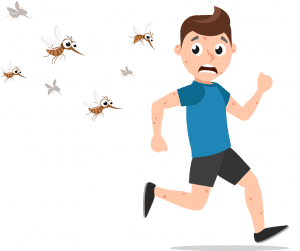
Debunking Mosquito Myths
In the realm of mosquito control, myths abound. These misconceptions often lead people to employ ineffective remedies, wasting time and resources. Understanding these myths is crucial to implementing truly effective mosquito control solutions.
Common Misconceptions About Mosquitoes
Mosquito myths are rampant, with many believing mosquitoes are attracted to specific types of light or certain plants. In reality, mosquitoes are primarily drawn to carbon dioxide and body heat. These misconceptions often lead to ineffective control methods.
Another myth is that all mosquitoes carry diseases. While many do not, it’s important to recognize that some species are vectors for illnesses such as malaria and dengue fever.
Understanding these misconceptions helps you focus on what truly matters: effective mosquito repellents and control solutions. By debunking these myths, individuals can adopt more targeted and successful approaches to mosquito management.
Ineffective Remedies and Their Origins
Many mosquito remedies have origins in folklore. For example, it’s a common belief that citronella candles are universally effective. However, studies show that their range of effectiveness is limited.
Other remedies, like ultrasonic devices, claim to repel mosquitoes using sound. Despite their popularity, scientific evidence supporting their efficacy is lacking. These solutions may have originated from a desire for quick fixes, but they often fall short.
Understanding the origins and limitations of these remedies can guide you toward more effective mosquito control solutions. Focusing on proven methods is key to achieving a mosquito-free environment.
Why Myths Persist in Modern Times
Mosquito myths persist due to a mix of tradition, anecdotal success, and marketing. Many people rely on passed-down advice rather than scientific evidence. This perpetuates ineffective practices.
In modern times, the internet amplifies these myths. Unverified tips spread quickly on social media, leading more people to adopt ineffective solutions. Additionally, marketing plays a role, as companies promote products with unverified claims.
To counter these myths, it’s vital to stay informed and rely on evidence-based mosquito control solutions. Educating yourself and others can help reduce the prevalence of these persistent misconceptions.
Effective Mosquito Repellents
Choosing the right mosquito repellent is essential for effective protection. Understanding the differences between natural and chemical solutions, application methods, and factors influencing effectiveness will help you make informed decisions.
Natural vs. Chemical Solutions
Natural and chemical mosquito repellents each have their own merits and drawbacks. Natural solutions, like lemon eucalyptus oil, are often favored for their eco-friendliness and pleasant scent. However, their effectiveness and duration may be limited.
Chemical repellents, such as DEET and picaridin, offer longer-lasting protection. These products are scientifically proven to repel mosquitoes effectively. However, their chemical nature might deter some users who prefer natural alternatives.
When choosing between natural and chemical solutions, consider your personal preferences and the specific needs of your environment. Balancing effectiveness with safety is key to selecting the right repellent.
Comparing Application Methods
Various application methods exist for mosquito repellents, each with its advantages. Sprays are convenient and allow for even coverage. They are ideal for quick application and are widely available.
Lotions and creams provide longer-lasting protection by forming a barrier on the skin. They can be useful for extended outdoor activities. However, they might be less convenient to apply compared to sprays.
Wearable devices, like repellent bracelets, offer an alternative for those who prefer non-topical solutions. These devices can be a good supplemental measure, though they may not be as effective as direct application methods.
Factors Influencing Repellent Effectiveness
Several factors influence the effectiveness of mosquito repellents. Concentration is crucial; higher concentrations of active ingredients generally provide better protection but may not be suitable for all users.
Environmental conditions also play a role. Wind, humidity, and temperature can affect how well a repellent works. It’s important to choose a solution suited to your specific environment.
Application frequency is another key factor. Reapplying repellents as directed ensures consistent protection. By understanding these factors, you can optimize your mosquito repellent strategy for maximum effectiveness.
Mosquito Control Solutions
Beyond repellents, comprehensive mosquito control solutions are essential for lasting protection. By implementing home strategies, outdoor enthusiast tips, and embracing innovations, you can effectively manage mosquito populations.
Essential Home Strategies
To control mosquitoes at home, focus on reducing breeding sites. Standing water is a major breeding ground for mosquitoes. Regularly check and empty containers, gutters, and other areas where water may collect.
Screening windows and doors can prevent mosquitoes from entering your home. Consider installing or repairing screens to create a barrier against these pests.
Using indoor insect traps can also be effective. These traps, which often use light and carbon dioxide to attract mosquitoes, can help reduce indoor populations. A combination of these strategies can significantly lower mosquito activity at home.
Outdoor Enthusiast Tips
For outdoor enthusiasts, mosquito control is vital for an enjoyable experience. Choosing appropriate clothing, such as long sleeves and pants, can provide a physical barrier against bites.
Timing your activities to avoid peak mosquito hours, typically dawn and dusk, can also reduce exposure. It’s wise to plan outdoor events during midday when mosquito activity is lower.
Having portable repellents on hand, like sprays or wearable devices, ensures you’re prepared wherever you go. These tips can help you enjoy the outdoors with minimal mosquito interference.
Innovations in Mosquito Control
Innovations continue to enhance mosquito control solutions. Smart traps, which use sensors and data analytics, offer targeted mosquito management by identifying and capturing specific species.
Genetic modification of mosquitoes is another promising innovation. By releasing genetically altered mosquitoes, scientists aim to reduce populations and limit disease transmission.
Drone technology is also being explored for large-scale mosquito control efforts. These advancements demonstrate the potential for technology to revolutionize how we manage mosquito populations.
Insect Zapper Effectiveness
Insect zappers are a powerful tool in mosquito control. Understanding how they work, their benefits, and hearing real-world success stories can help you appreciate their effectiveness.
How Zappers Work
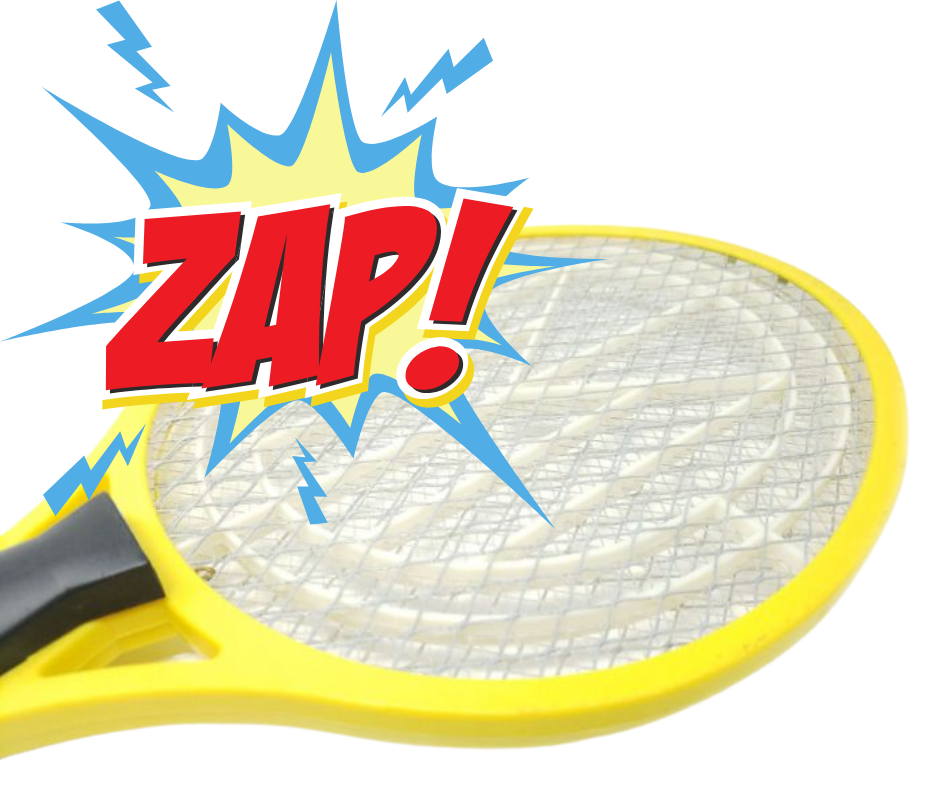
Insect zappers operate by attracting mosquitoes with ultraviolet light. Once drawn to the light, mosquitoes are quickly eliminated by an electrical grid. This method is efficient and requires minimal effort to maintain.
Zappers are typically placed in outdoor areas, creating a protective zone around your space. This passive control method continuously reduces mosquito populations, allowing you to enjoy the outdoors in peace.
By understanding the mechanics of insect zappers, you can see why they’re a popular choice for effective mosquito control solutions.
Benefits of Using our Bug Zapper
Our bug zapper offers several benefits over traditional methods. Ease of use is a standout feature, with simple setup and minimal maintenance required.
Coverage area is another advantage. Our zapper is designed to protect larger spaces, ensuring comprehensive mosquito management. This makes it an ideal solution for both residential and commercial use.
Environmentally friendly operation is also a key benefit. By using electricity instead of chemicals, our zapper provides a safe and sustainable mosquito control solution.
Customer Success Stories
Many customers have experienced success with our bug zapper. One homeowner noted a significant reduction in mosquito bites after installing a zapper on their patio.
Another customer, an outdoor event planner, praised the zapper for its reliable performance during functions, ensuring guests were comfortable and bite-free.
-
Increased outdoor enjoyment: Customers report spending more time outside without the nuisance of mosquitoes.
-
Cost-effective solution: The zapper’s long lifespan and minimal maintenance offer excellent value over time.
These success stories highlight the zapper’s effectiveness in real-world scenarios, demonstrating its impact on improving outdoor experiences.
How to Repel Mosquitoes
Repelling mosquitoes requires a multi-faceted approach. By creating a mosquito-free environment, integrating solutions, and implementing long-term strategies, you can maintain lasting control.
Creating a Mosquito-Free Environment
To create an effective mosquito-free environment, focus on habitat reduction. Eliminate standing water in your surroundings to prevent breeding. Regularly inspect outdoor spaces for potential water collection points.
Use landscaping wisely by planting mosquito-repelling plants such as lavender and marigolds. These plants can serve as natural deterrents, enhancing your outdoor experience.
Install outdoor fans in seating areas. Mosquitoes are weak flyers and are less likely to linger in areas with circulating air. These steps can help create a more comfortable and mosquito-free outdoor setting.
Integrating Multiple Solutions
An integrated approach offers the best protection against mosquitoes. Combine repellents with physical barriers such as mosquito nets or screens for comprehensive coverage.
Utilize insect zappers and traps alongside traditional methods for enhanced control. This multi-layered strategy ensures mosquitoes are targeted from all angles.
Regularly update and adapt your approach based on mosquito activity and environmental changes. By integrating multiple solutions, you can maximize your mosquito control efforts.
Long-Term Prevention Strategies
For long-term mosquito control, focus on sustainable practices. Regular maintenance of your environment, such as trimming vegetation and cleaning gutters, reduces breeding sites.
Community involvement can also play a role. Collaborating with neighbors to eliminate communal breeding grounds enhances overall effectiveness.
Stay informed on new mosquito control innovations and research. Adapting to advancements ensures your strategies remain effective over time. These long-term practices support ongoing mosquito prevention efforts.




Leave A Comment
You must be logged in to post a comment.